
Muy queridos #hivers, me alegra mucho este nuevo encuentro con ustedes. Aprovecho la oportunidad para entregarles un fraterno abrazo primaveral y desearles una maravillosa revitalización en sus caminos.
¿Cuántas capas te cubren?
Durante el invierno y dependiendo de cuan baja sea la temperatura, es necesario abrigarse. Respecto a la cantidad de ropa que debemos ponernos encima para estar confortables, hablamos de capas, pues las piezas de ropa van una sobre otra, protegiendo nuestro cuerpo y nuestra salud. Demás está decir que también debemos proteger las manos con guantes y la cabeza con gorros o capuchas.

En mi caso, uso como primera capa una franela y un mono términos, luego un suéter de vestir, después un suéter grueso y finalmente la chaqueta impermeable, protectora de lluvia, aire y frío. Y créanme que todo ello es necesario para sentirme abrigada en el exterior. Al entrar en algún espacio interior, debidamente climatizado o regresar a casa, comienza el proceso de quitarse las capas, para disfrutar las temperaturas más amigables brindadas por el ingenio humano y la tecnología.
Estas experiencias que desconocemos en los países tropicales, me hicieron reflexionar sobre los aspectos no visibles en la personas: sus sueños, sus emociones, sus sentimientos, sus traumas y todo esos importantes aspectos que guardamos en nuestra intimidad y manifestamos con filtros ante los demás.
Esta reflexión me llevó a preguntarme, ¿Con cuantas capas cubrimos nuestra intimidad?
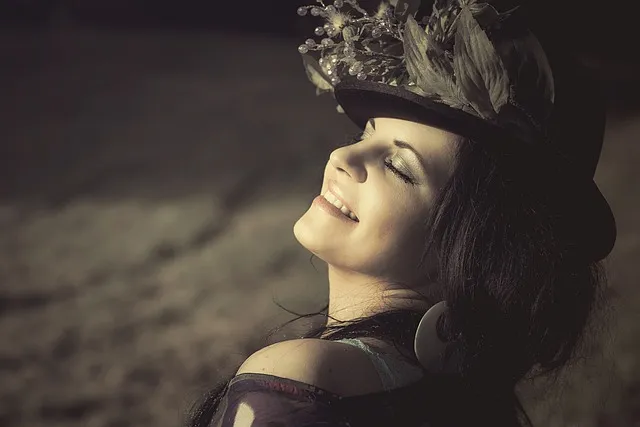
Alguna vez, amable lector o lectora, te has preguntado con cuántas capas te proteges de las miradas inoportunas, de las preguntas indiscretas o de las lecturas que otros puedan estar haciendo de tu lenguaje corporal?
Esas capas protectoras nos protegen en medios que consideramos hostiles, pero... (¡faltaba un pero!) suele suceder que nos vamos acostumbrando a ellas y asfixiamos la espontaneidad para manifestar nuestras emociones durante la "primavera", cuando todo nos sonríe y florecen los sentimientos y las emociones positivas.
De esta forma corremos el riesgo de convertirnos en personas poco expresivas, endurecidas por las capas que se van convirtiendo en parte de nuestros hábitos y nos aislamos de lo que sucede en nuestro entorno, corriendo el riesgo aún mayor de ir perdiendo sensibilidad hacia las alegría y dolores de las personas que nos rodean.
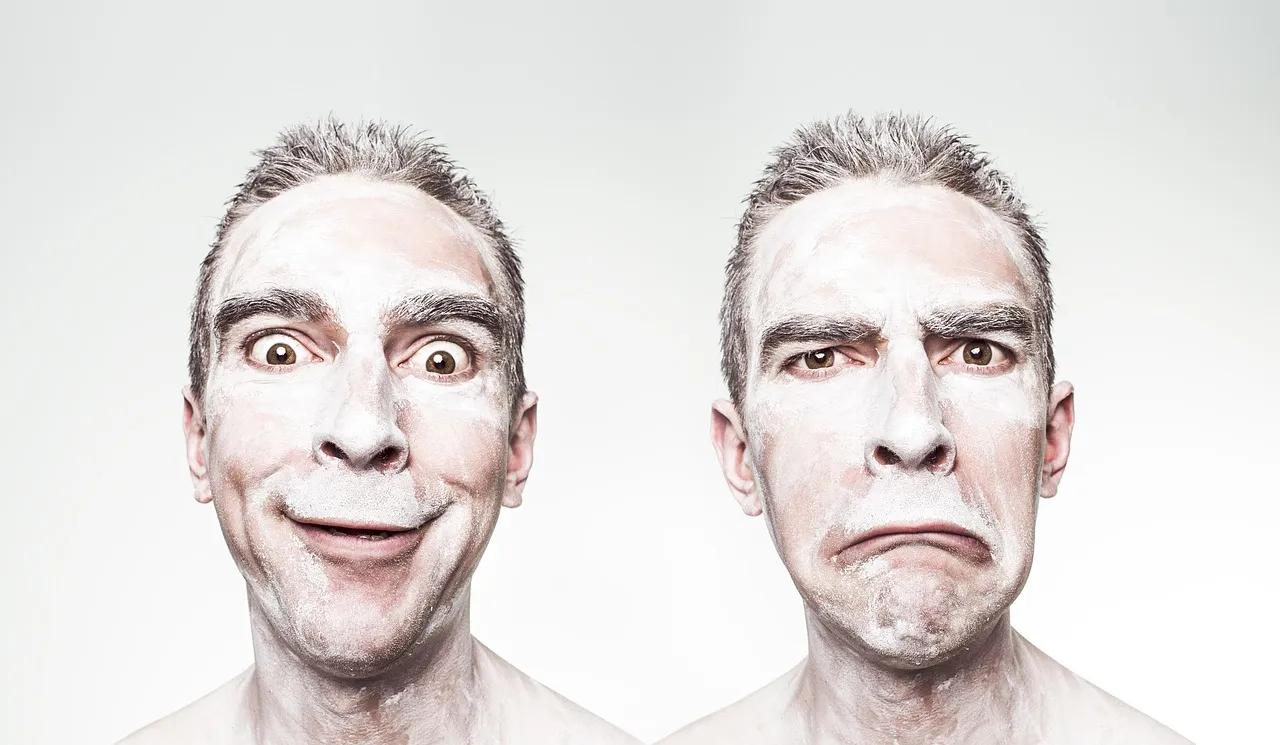
La observación de nuestro entorno, es una estrategia fundamental para identificar "los inviernos" y "las primaveras", para saber si nos protegemos con las capas adecuadas o si por el contrario nos perdemos la flexibilidad y libertad de las primaveras.
La observación de uno mismo es la otra cara de la moneda y nos da la posibilidad de conocer con que capas estamos tapas estamos cubriendo nuestra emocionalidad, ya sea negativa o positiva. Descubrir nuestro núcleo sensible y la manera de expresarlo.
La reflexión y la meditación son ideales para adentrarnos en nuestro ser, afinarlo, explorando sus capacidades, sus necesidades y la calidad de expresión y comunicación.
¿Están dispuestos mis amables lectores a vivir esta experiencia y permitirse disfrutar todas "las primaveras" que nos ofrezca la vida, con su calidez y alegrías, reservando la protección adecuada para "los inviernos" que podamos hallar?
Dear #hivers, I am very happy about this new meeting with you. I take the opportunity to give you a brotherly spring hug and wish you a wonderful revitalization in your paths.
How many layers cover you?
During the winter and depending on how low the temperature is, it is necessary to dress warmly. Regarding the amount of clothing that we must put on to be comfortable, we are talking about layers, since the pieces of clothing go one on top of the other, protecting our body and our health. Needless to say, we must also protect our hands with gloves and our heads with hats or hoods.
In my case, I use a flannel and overalls as my first layer, then a dressy sweater, then a thick sweater and finally the waterproof jacket, which protects against rain, air and cold. And believe me, all this is necessary to feel sheltered abroad. Upon entering an indoor, properly air-conditioned space or returning home, the process of removing the layers begins, to enjoy the friendlier temperatures provided by human ingenuity and technology.
These experiences that we are unaware of in tropical countries, made me reflect on the invisible aspects of people: their dreams, their emotions, their feelings, their traumas and all those important aspects that we keep in our privacy and we manifest with filters before others.
This reflection led me to wonder, How many layers do we cover our privacy with?
Dear reader, have you ever wondered how many layers you use to protect yourself from prying eyes, prying questions or reading others may be making of your body language?
These protective layers protect us in environments that we consider hostile, but... (one but was missing!) It often happens that we get used to them and stifle the spontaneity to express our emotions during the "spring", when everything smiles at us and positive feelings and emotions flourish.
In this way we run the risk of becoming inexpressive people, hardened by the layers that are becoming part of our habits and we isolate ourselves from what happens in our environment, running the risk even greater to lose sensitivity towards the joys and pains of the people around us.
Observing our environment is a fundamental strategy to identify "winters" and "springs", to know if we protect ourselves with the right layers or if, on the contrary, we lose flexibility and freedom of the springs.
Observation of oneself is the other side of the coin and gives us the possibility of knowing with which layers we are covering our emotionality, whether negative or positive. Discover our sensitive nucleus and the way to express it.
Reflection and meditation are ideal for delving into our being, refining it, exploring its capabilities, its needs and the quality of expression and communication.
Are my kind readers willing to live this experience and allow themselves to enjoy all the "springs" that life offers us, with their warmth and happiness, reserving adequate protection for "the winters" that we can find?

◘Las fotografías son propiedad de Pixabay, imágenes libres. Tienen señalado su autor y enlace. ◘ Los separadores de texto son propiedad y cortesía de @holos-lotus ◘La Versión en Inglés la realicé con el Traductor de Google.
◘Photographs are property of Pixabay, free images. They have indicated their author and link. ◘ The text separators are property and courtesy of @holos-lotus ◘The English version was made with Google Translate.