
Pseudobiblia
The courtyard next door
by Ilyich Spiridon Konstikovic
[IT-EN]
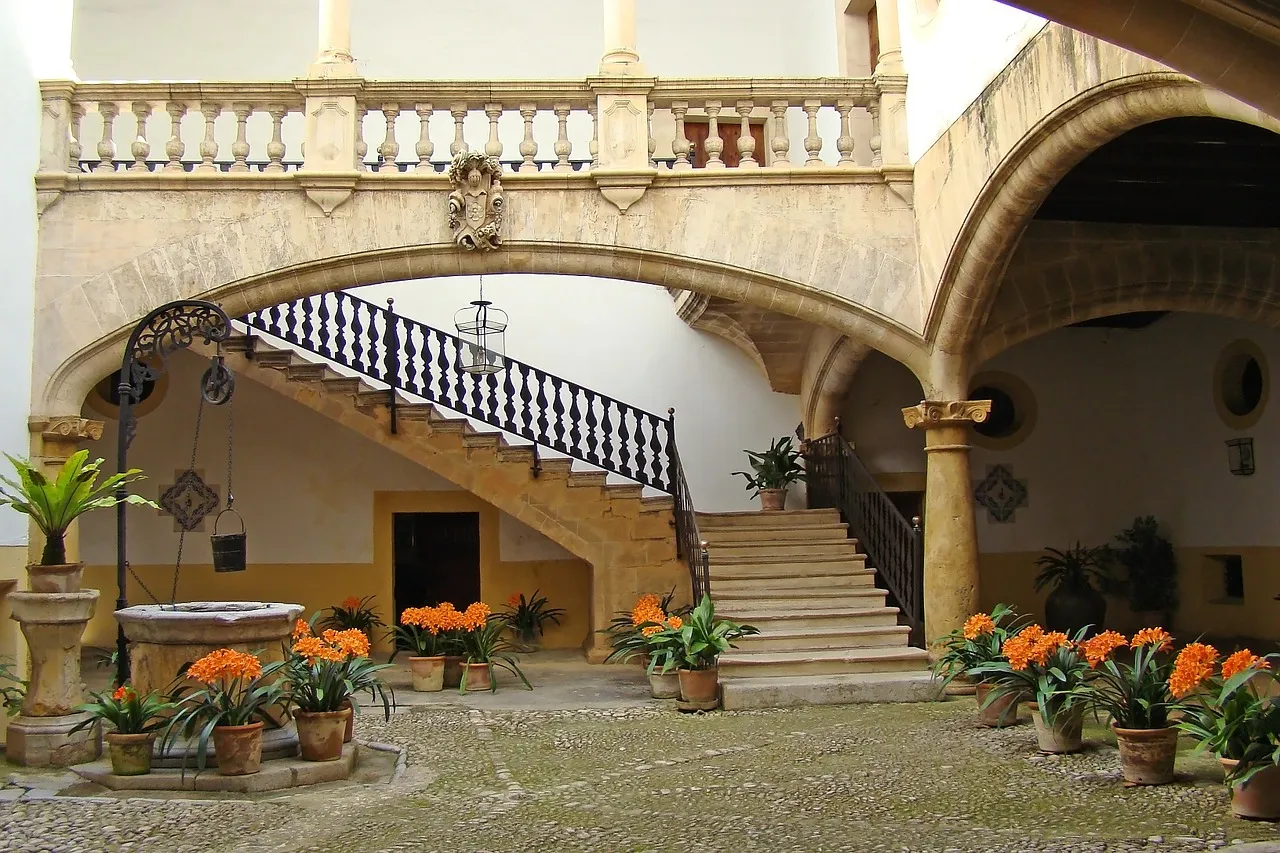
Image by Bartłomiej Koc from Pixabay
Questa è una pseudo recensione di un libro o, se preferite, una vera recensione di uno pseudolibro oppure, forse, meglio ancora, una pseudorecensione di uno pseudolibro.
Il grande autore russo ci stupisce ancora una volta con questo corposo romanzo di oltre quattromila pagine che lo fa entrare di diritto nell'olimpo dei grandi autori russi, consacrandolo se non come il migliore tra questi, sicuramente come il più prolisso.
Nato in Russia da genitori di origine ucraina proprio il giorno dell'ascesa al potere di Brežnev, i genitori gli diedero come primo nome il secondo nome del grande statista; il secondo nome proviene invece dal primo nome del nonno morto sul caucaso durante la seconda guerra mondiale.
Libertario nell'animo ma pavido all'inverosimile Konstikovic, poeta e narratore, non osa mai palesare la sua critica al regime, memore forse di quanto occorso prima a Solgenitsin, decide per un genere intimista e allusorio, che più che dire, accenna, più che raccontare, descrive, più che narrare, pennella.
Sin dalle prime opere, sia in versi che in prosa, questa sua poetica del non detto lo porta a scrivere opere di grande struggimento, prive del ben che minimo fatto, azione o accadimento.
Col passare degli anni la sua scelta man mano si estremizza e i suoi scritti sono sempre più un susseguirsi di parole, che danno un senso di ritmo, dove anche le emozioni sono solo suggerite, dove l'empatia stessa deve essere suscitata più dal lettore che dall'autore.
Dietro questo scrivere, che i detrattori ignoranti non tardano a definire "palloso", si nascondono tumulti dell'anima che l'autore non dice e non spiega, a cui nemmeno accenna; proprio il loro essere così ben nascosti dietro ad immagini e descrizioni apparentemente fini a se stesse, rende questi tumulti, solo intuiti dal lettore, così particolari, quasi unici, rintracciabili dentro una oscura densità, certo con grande sforzo, solo nelle opere di Konstikovic.
L'apice di questo sforzo immane di Konstikovic nel ricercare la parola esente da un qualsiasi coinvolgimento, addirittura avulsa da un vero e proprio significato, ha portato l'autore al romanzo "Il cortile accanto".
L'autore, senza mai dirlo, immagina lo stupore, naturalmente non descritto, di un se stesso in tenera età alla scoperta del cortile accanto alla sua casa di Aprelevka, paesino vicino a Mosca, che comunque nel romanzo non viene mai citato; probabilmente un cortile che l'autore non ha mai realmente visitato da bambino e sicuramente nemmeno in età più matura.
Tutte allusive e pregnanti di significati le descrizioni delle singole crepe dei vasi contenenti rosmarino e salvia o la dettagliatissima parte, dieci capitoli, della lunga fila di formiche che Ilyich descrive una ad una non tralasciando le particolarità che le distinguono così bene l'una dall'altra.
Risultano forse un tantino forzate le duecento pagine di descrizioni della parte centrale del cortile dove, non avendo appigli descrittivi degni di nota, l'autore arriva nel dettaglio, partendo dai granelli di sabbia e passando dagli atomi, fino alla descrizione di ogni singolo quark.
Se da una parte la poesia delle accurate descrizione dei loro sapori: la bellezza, il fascino, la verità e la stranezza, rende sublimi quelle pagine, d'altro canto, a volte, possono arrivare a diventare stucchevoli e addirittura noiose per un lettore poco avvezzo alla teoria cromodinamica quantisca dei fermioni.
D'altra parte non ce la sentiamo, come critici, di biasimare Konstikovic, come si può infatti pretendere di definirsi "lettore" se non si conoscono in modo approfondito le teorie dei quanti, la cromodinamnica quantistica, le differenze tra fermioni, mesoni e leptoni?
Leggere significa comprendere, se non si hanno gli strumenti basilari: meglio desistere!
Il romanzo "Il cortile accanto" esce oggi anche in Italia, finalmente, a trent'anni dalla sua prima edizione in russo, anni passati da Olga Dimitrova a tradurre le oltre quattromila pagine, un'opera alquanto impegnativa anche per la traduttrice.
Senza nulla togliere alla Dimitrova e alla sua traduzione avremmo preferito decisamente una versione con testo russo a fronte e con una cariola per il trasporto del volume, che, non possiamo negarlo, sarebbe diventato di difficile trasporto.
Accontentiamoci quindi della versione tradotta che, pur perdendo qualcosa nel passaggio dal russo all'italiano, sicuramente coi suoi diciannove kilogrammi, risulta perlomeno di più facile trasporto e lettura.
Purtroppo ci tocca segnalare che l'ultimo romanzo di Konstikovic, "L'elenco", una versione romanzata dell'elenco del telefono del distretto telefonico di Mosca, uscito incompiuto poco dopo la sua morte (l'autore era arrivato alla lettera Ja), giace ancora non tradotto nelle cantine delle case editrici italiane, pronte a pubblicare qualunque librucolo venga loro proposto invece di rendere possibile leggere capolavori di tal fatta anche a chi, al contrario di me, non conosce la lingua russa.
This is a pseudo-review of a book or, if you prefer, a real review of a pseudo-book or, perhaps better still, a pseudo-review of a pseudo-book.
The great Russian author amazes us once again with this full-bodied novel of over four thousand pages that makes him rightfully enter the Olympus of the great Russian authors, consecrating him if not as the best among them, certainly as the most verbose.
Born in Russia to parents of Ukrainian origin on the day of Brezhnev's rise to power, his parents gave him the middle name of the great statesman as his first name; the second name comes from the first name of the grandfather who died on the Caucasus during the Second World War.
Libertarian at heart but fearless beyond belief Konstikovic, poet and narrator, never dares to reveal his criticism of the regime, perhaps mindful of what happened before Solgenitsin, decides for an intimate and allusive genre, which more than saying, hints, more than to tell, describe, rather than narrate, brush.
From his earliest works, both in verse and prose, his poetics of the unspoken lead him to write works of great yearning, devoid of even the slightest fact, action or occurrence.
Over the years, his choice gradually becomes extreme and his writings are increasingly a succession of words, which give a sense of rhythm, where even emotions are only suggested, where empathy itself must be aroused more by the reader than by 'author.
Behind this writing, which ignorant detractors do not take long to define as "boring", are hidden turmoils of the soul that the author does not say or explain, to which he does not even mention; precisely their being so well hidden behind images and descriptions apparently ends in themselves, makes these tumults, only intuited by the reader, so particular, almost unique, traceable within a dark density, certainly with great effort, only in the works of Konstikovic.
The apex of this enormous effort by Konstikovic in finding the word free from any involvement, even detached from a real meaning, led the author to the novel "The courtyard next door".
The author, without ever saying it, imagines the astonishment, naturally not described, of himself at an early age at the discovery of the courtyard next to his house in Aprelevka, a village near Moscow, which in any case is never mentioned in the novel; probably a courtyard that the author never really visited as a child and certainly not even at a more mature age.
All allusive and pregnant with meanings are the descriptions of the individual cracks in the vases containing rosemary and sage or the very detailed part, ten chapters, of the long line of ants that Ilyich describes one by one, not forgetting the particularities that distinguish them so well from each other. other.
The two hundred pages of descriptions of the central part of the courtyard are perhaps a little forced, where, having no noteworthy descriptive holds, the author goes into detail, starting from the grains of sand and passing through the atoms, up to the description of each individual quark.
If on the one hand the poetry of the accurate description of their flavors: the beauty, the charm, the truth and the strangeness, makes those pages sublime, on the other hand, at times, they can become cloying and even boring for a little reader. accustomed to the chromodynamic theory quantisca of fermions.
On the other hand, as critics, we do not feel like blaming Konstikovic, as we can in fact claim to be called "reader" if we do not know in depth the quantum theories, quantum chromodynamics, the differences between fermions, mesons and leptons. ?
Reading means understanding, if you don't have the basic tools: better desist!
The novel "The courtyard next door" is finally being released in Italy today, at last, thirty years after its first edition in Russian, years spent by Olga Dimitrova translating the more than four thousand pages, a rather demanding work even for the translator.
Without detracting from Dimitrova and her translation, we would have definitely preferred a version with a Russian text opposite and with a wheelbarrow for transporting the volume, which, we cannot deny, would have become difficult to transport.
So let's be satisfied with the translated version which, while losing something in the passage from Russian to Italian, certainly with its nineteen kilograms, is at least easier to transport and read.
Unfortunately, we have to point out that Konstikovic's latest novel, "The List", a fictionalized version of the telephone directory of the Moscow telephone district, which came out unfinished shortly after his death (the author had come to the letter Ja), it still lies untranslated in the cellars of Italian publishing houses, ready to publish whatever librucolo is proposed to them instead of making it possible to read such masterpieces even for those who, unlike me, do not know the Russian language.