
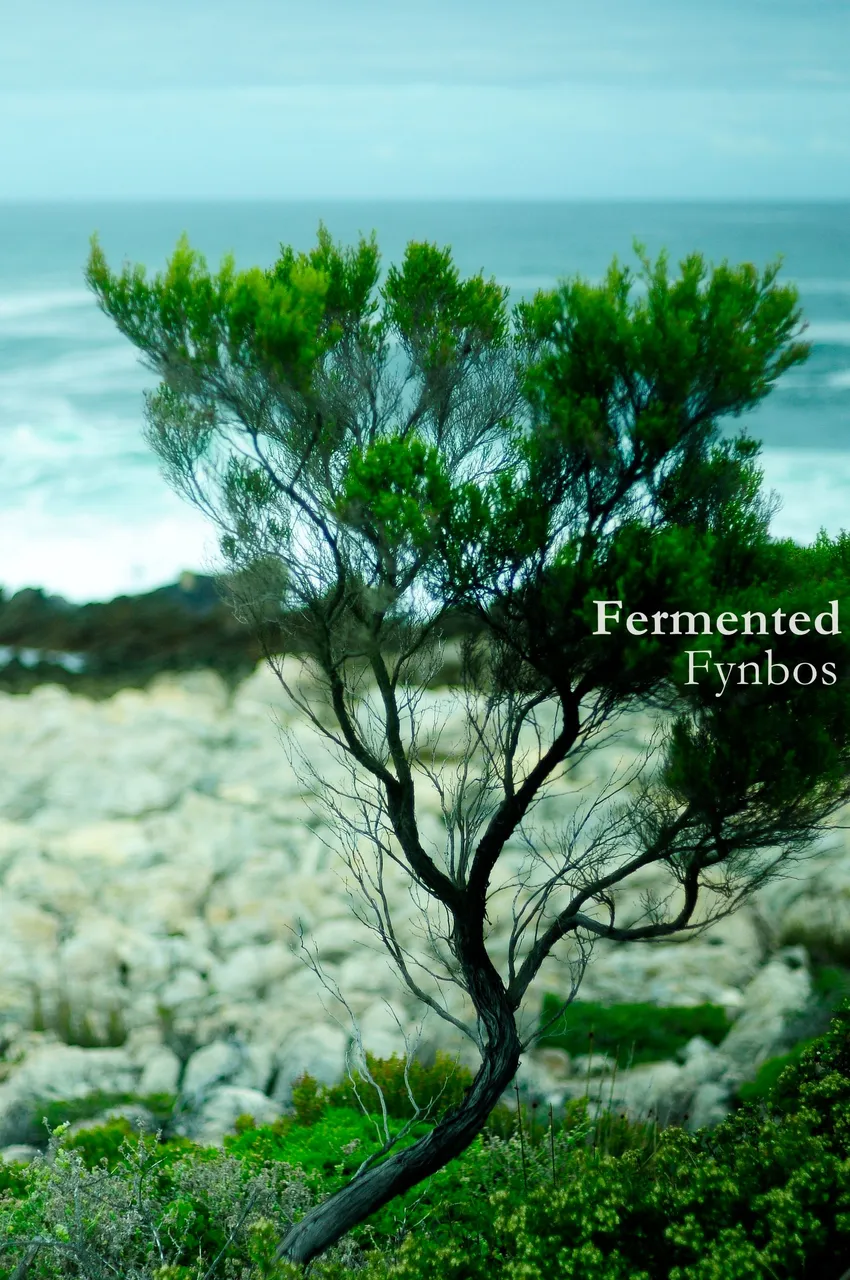
Fynbos flowers are sometimes overlooked because of the quantity. Many people marvel at roses and other similar plants in the shops, but few people stare and take their time to look at the fynbos flowers that hang heavy.
A regular route for me, the fynbos flowers greeted me with all their joy and grace. I always take my time to marvel at their perfection. Some of these flowers are sometimes called "confetti" precisely because of all the small little flowers.
In this photographic journey, I want to take you along with me as I walk betwixt all these flowers at the beginning of the winter.
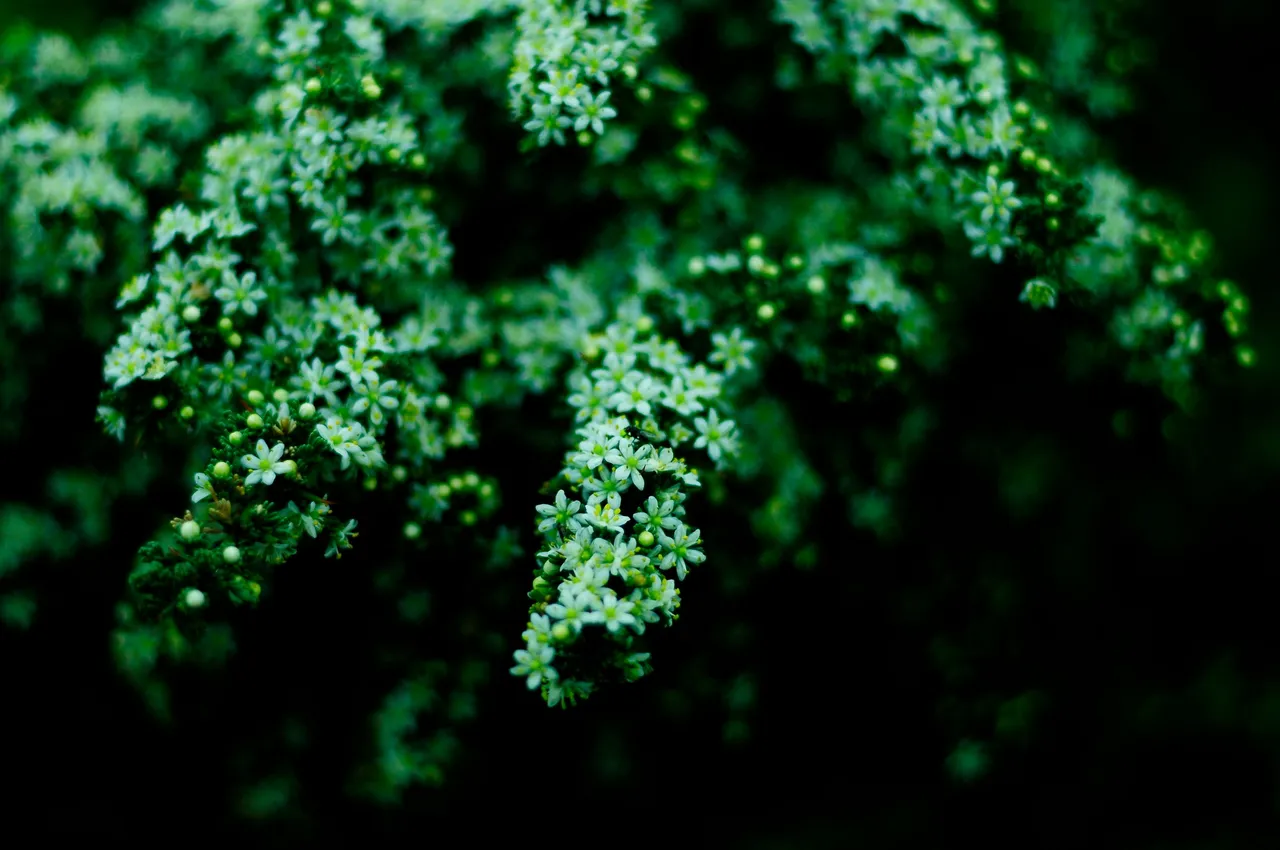
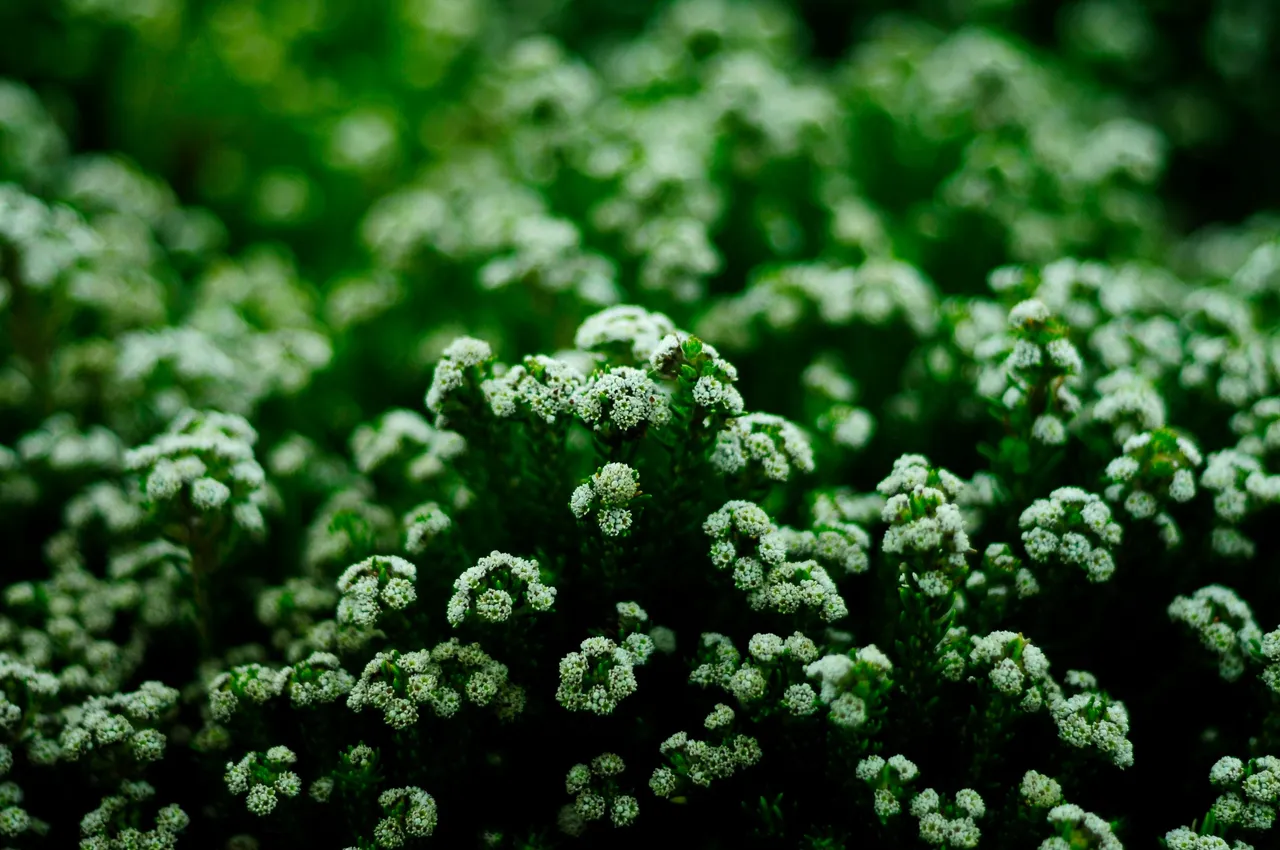
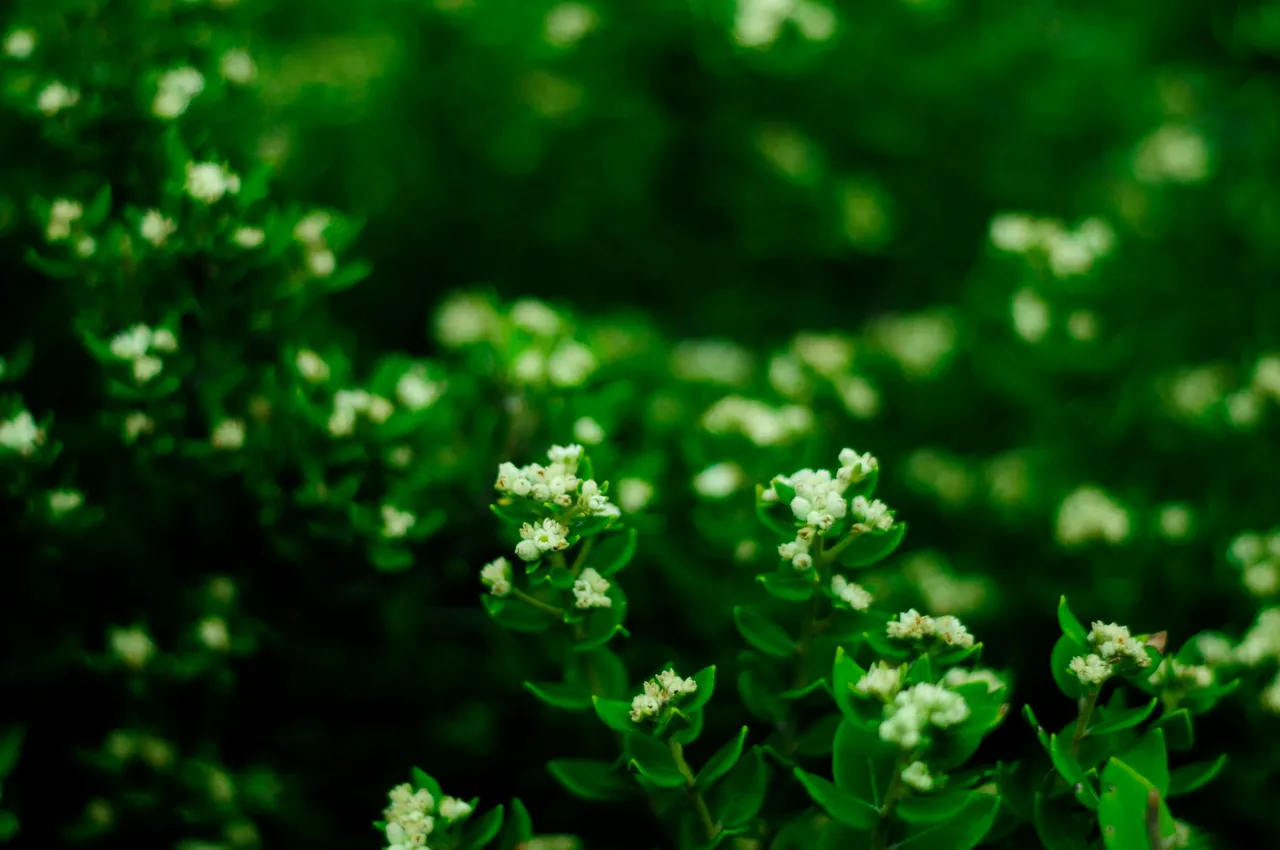
Thick pillars of flowers decorate the stems; poetry for the eyes and beauty for the soul.
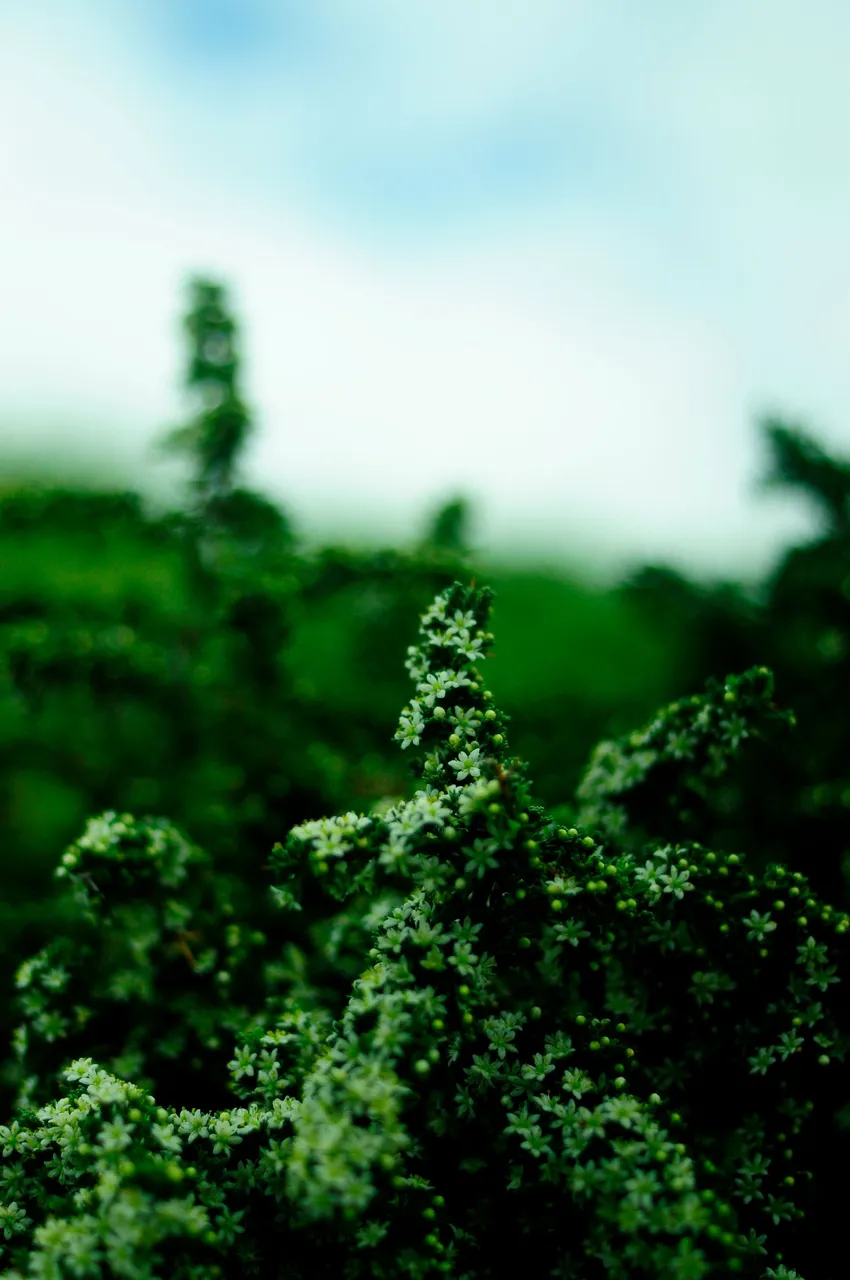
The bees must feast on these flowers. We have local honey producers that sell "fynbos" or fine bush honey. It is surely some of the best honey you can have, and all these plants have medicinal properties, I cannot imagine that it will not have some of that in the honey. It is more expensive, but it is surely worth all of the extra money.
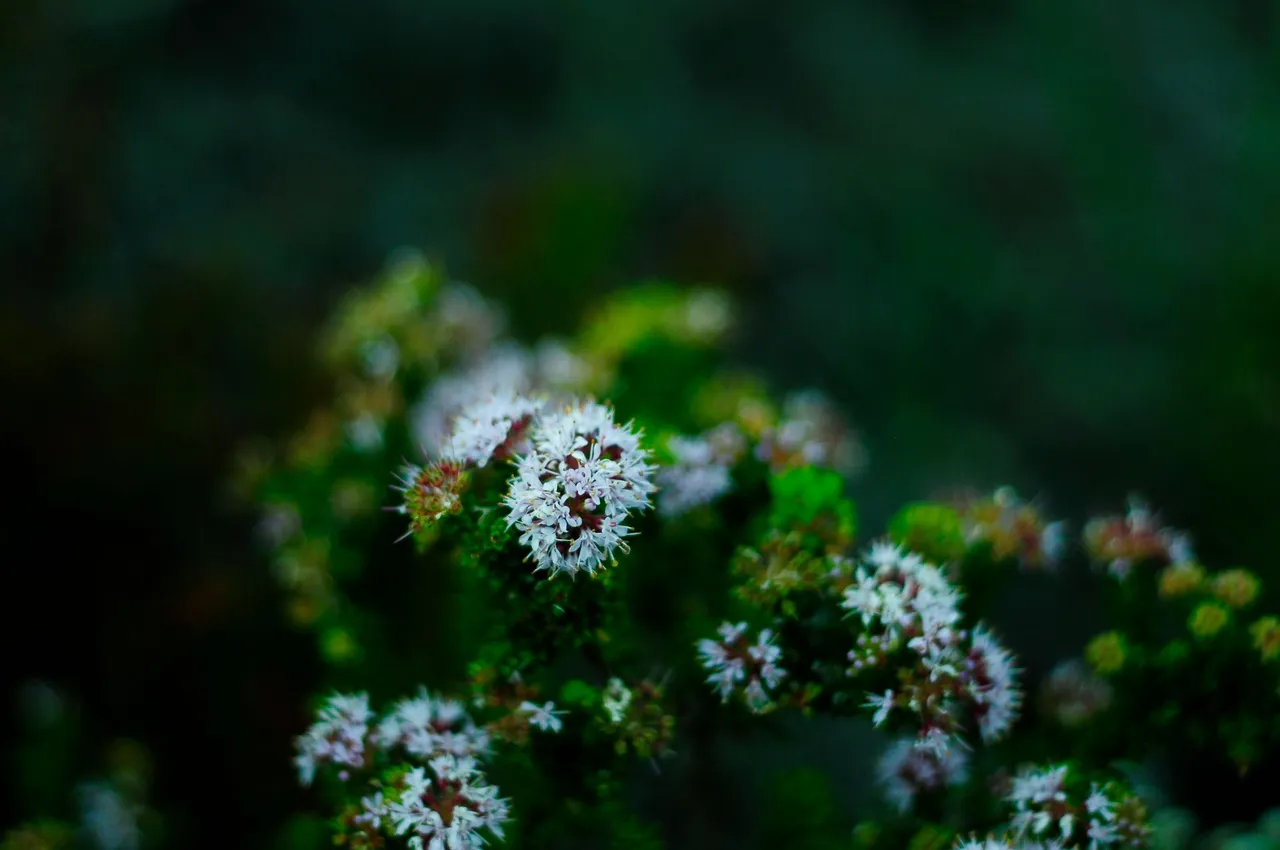
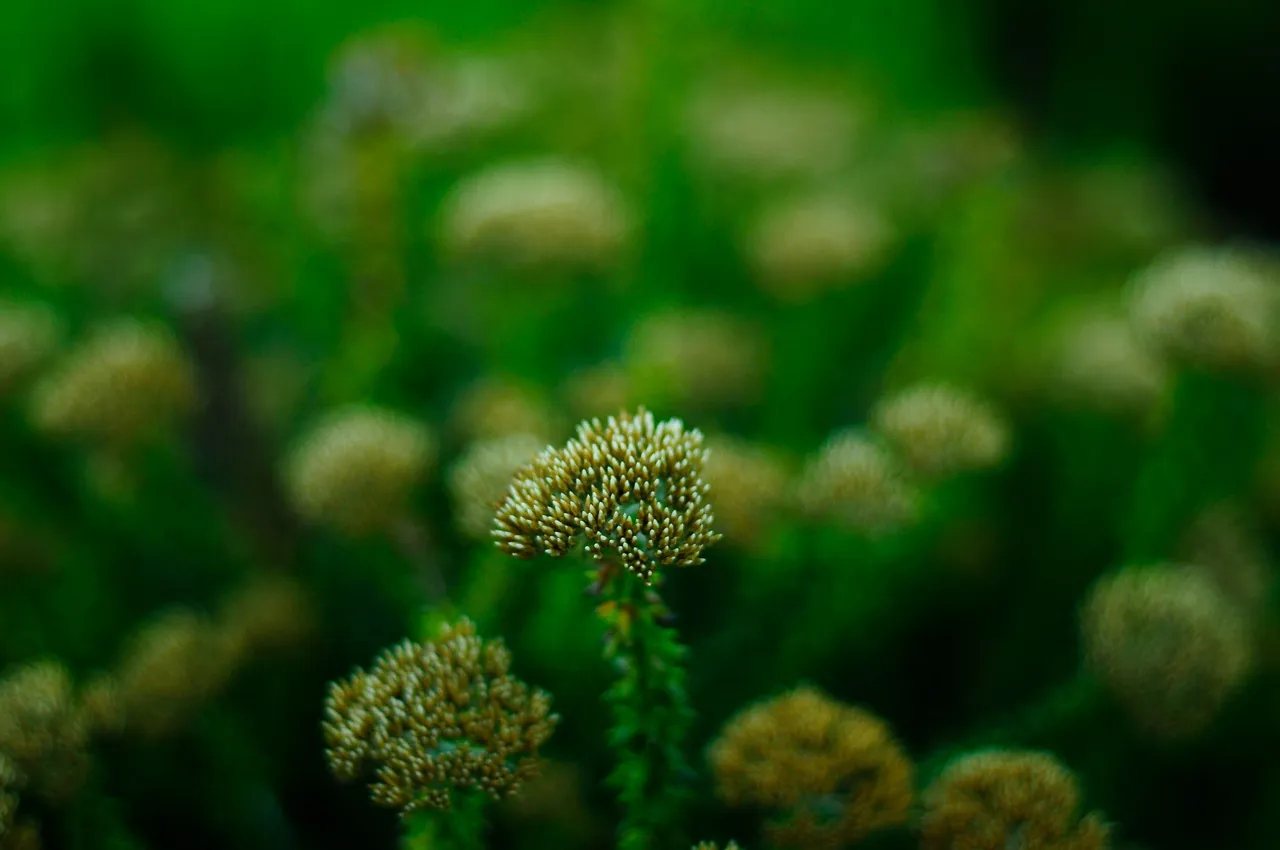
The flowers look like solar systems clustered on stems. I cannot imagine how it would look like for small insects, their world consists of these flower-solar systems.
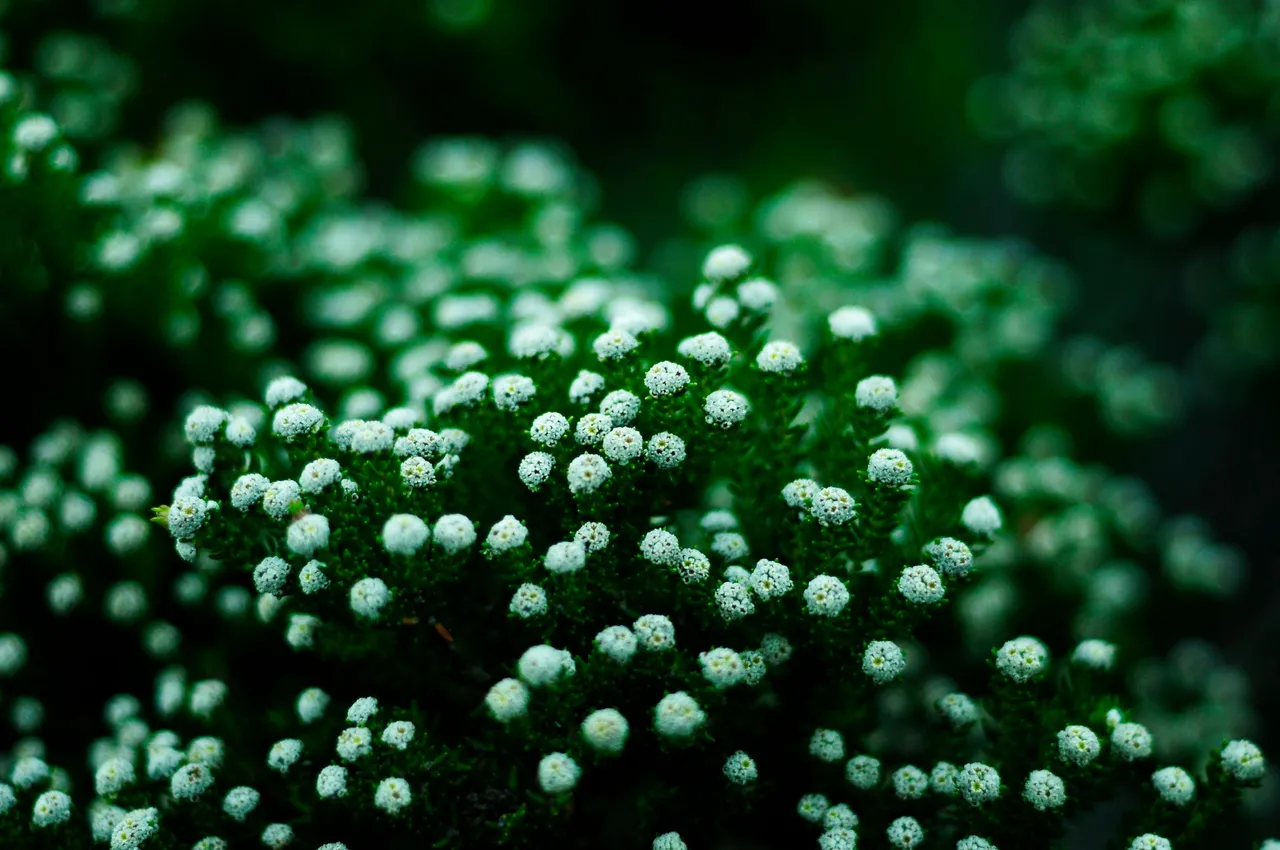
These flowers look like barnacles growing on the side of a whale. The fynbos biome is just like a whale, the flowers growing in their plentiful beauty. These flowers are also very tough, withstanding the wind thrashing against them with constant beatings. Ocean spray and rains, winds and insects trying to eat it.
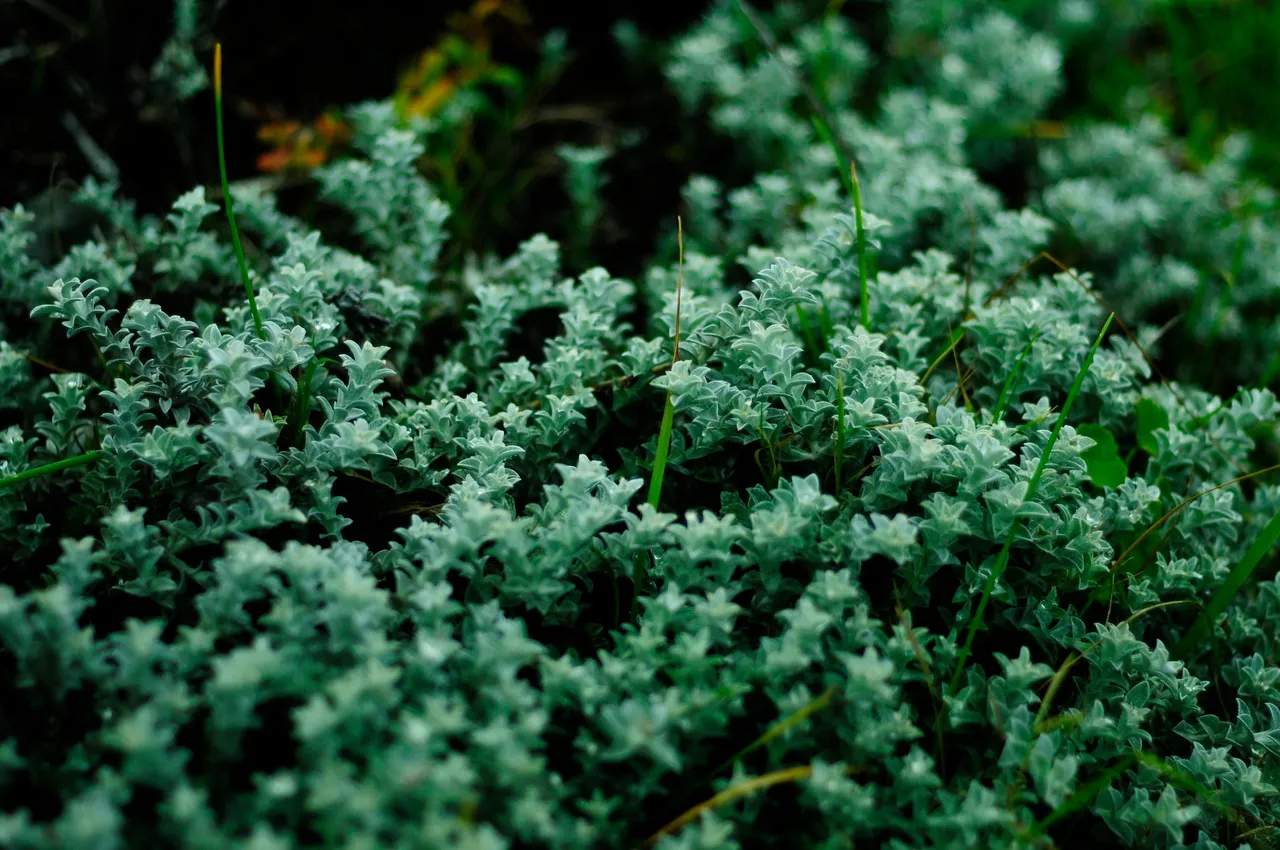
A carpet of leaves and flowers, I brush my hand to feel its sturdy resistance, its powerful defense. The flowers of this plant are yet to come, but the grey will soon be replaced by a myriad of white papery flowers. In September they will tell the world of their beauty in the wind, rustling their almost wing-like flowers.
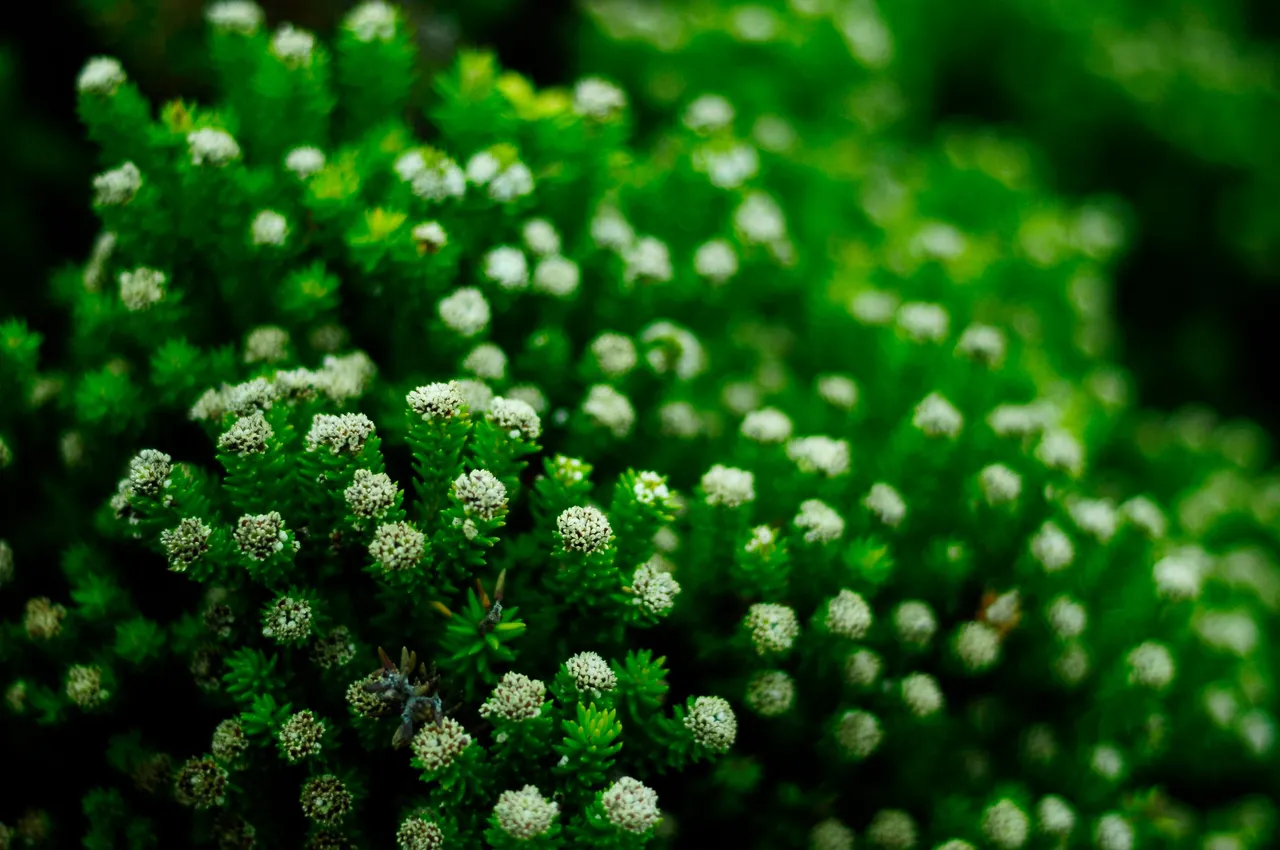
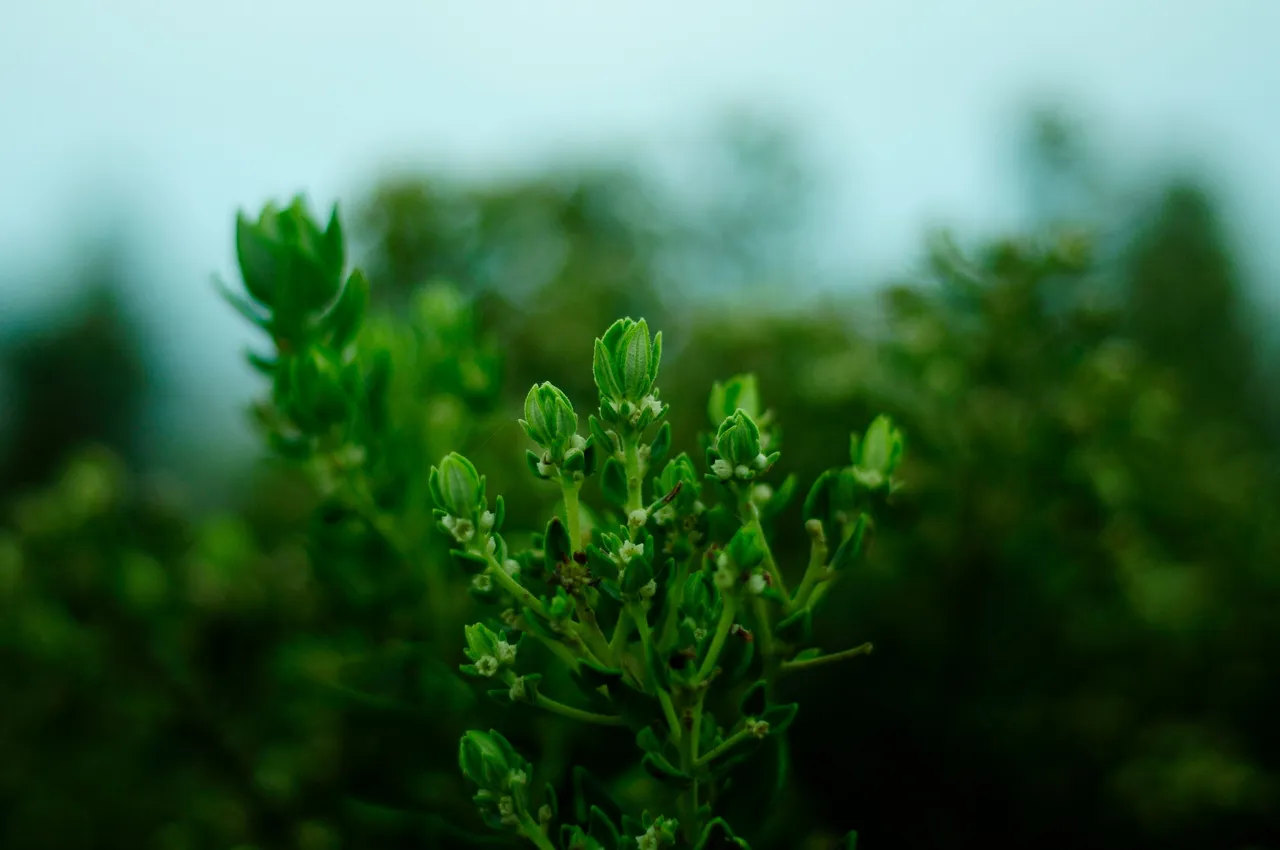
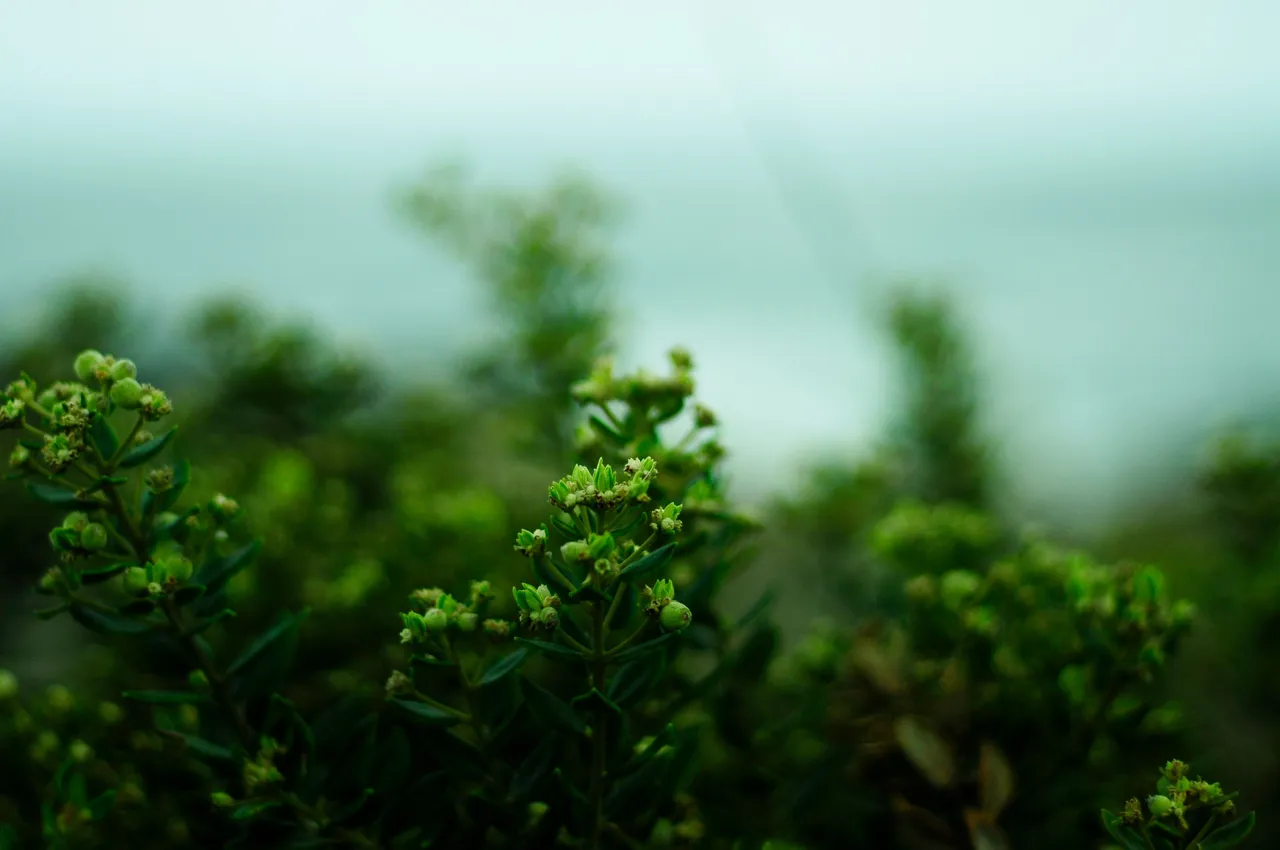
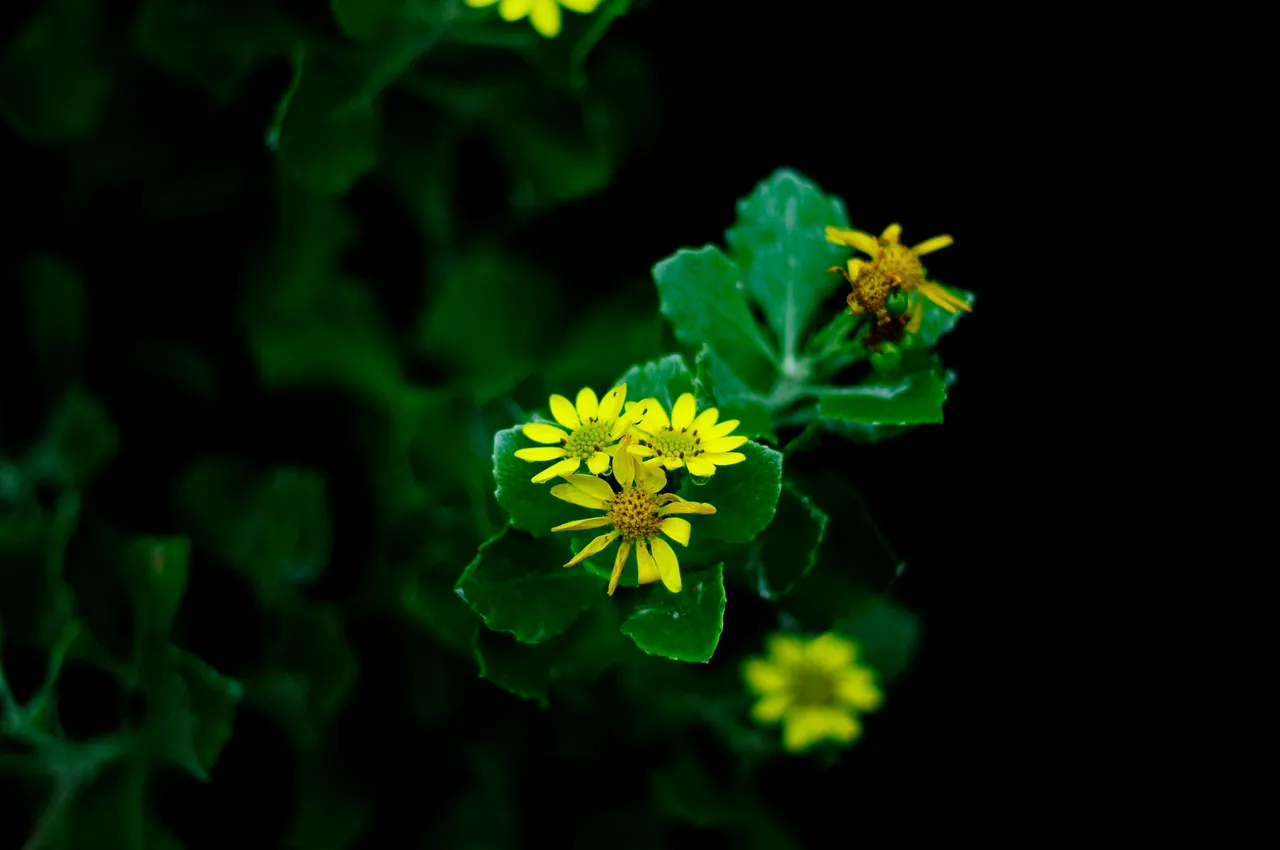
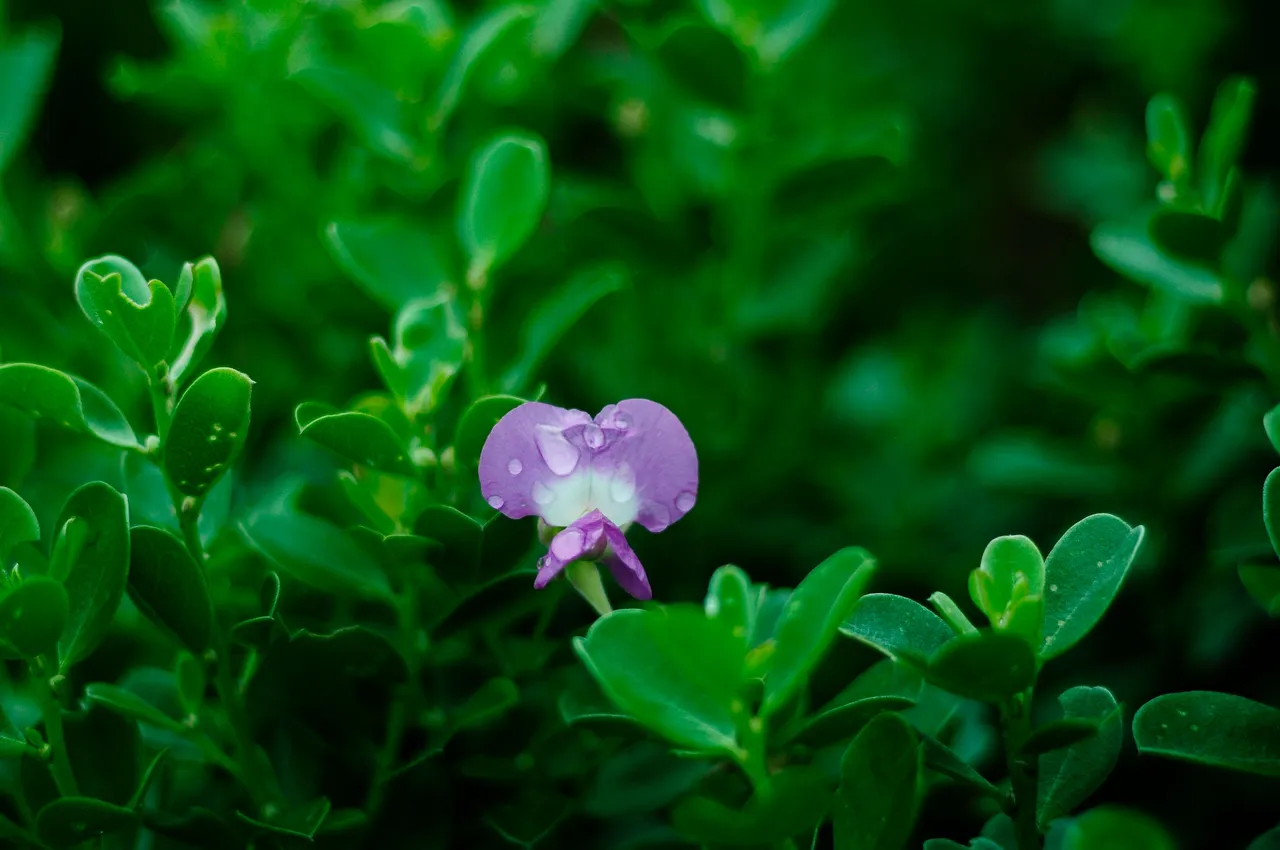
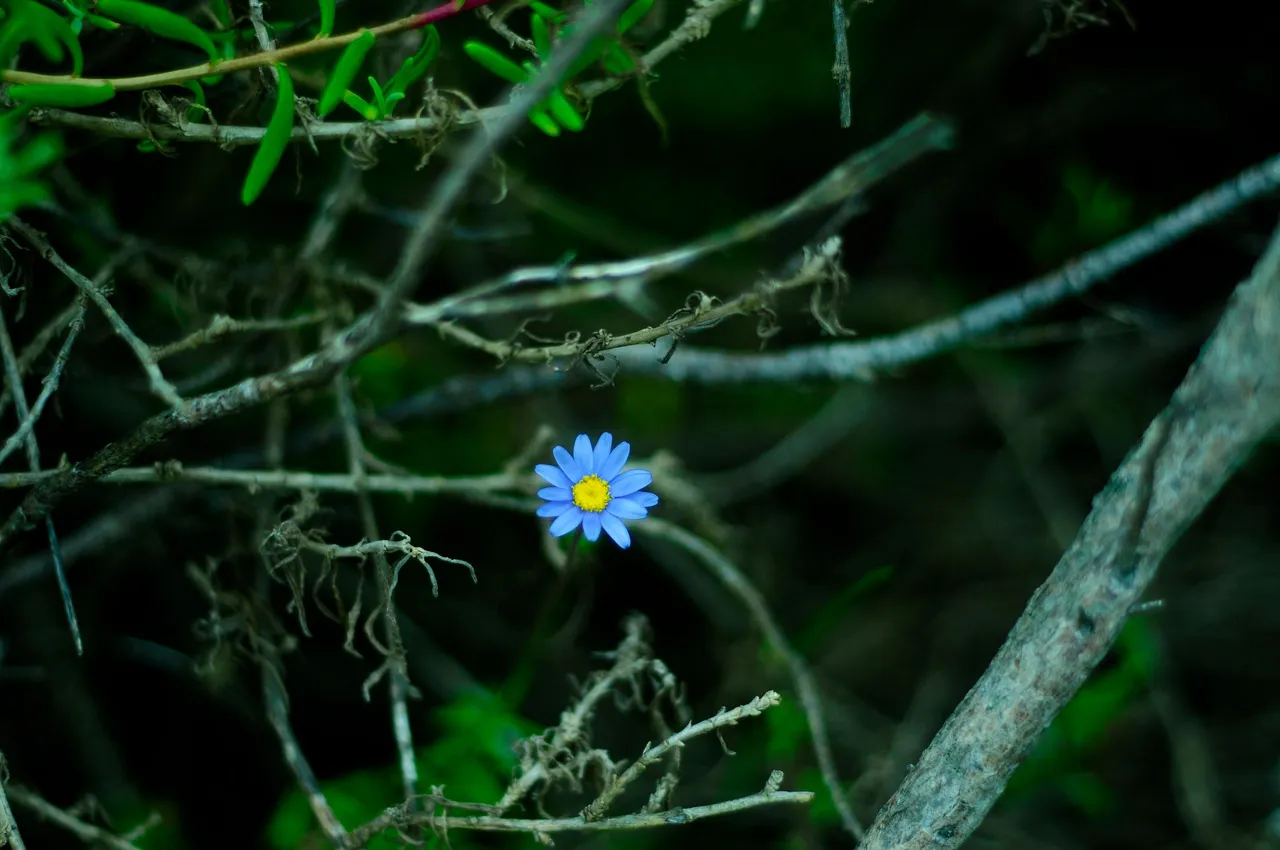
Delicate flowers hide behind the sturdy leaves, and beautiful colors contrast against the green and black of shadows. What lurks in these shadows? I would rather not want to know or find out. Constantly you hear the rustling of leaves, it might be the birds that live on the ground or the dassies (rock hyrax).
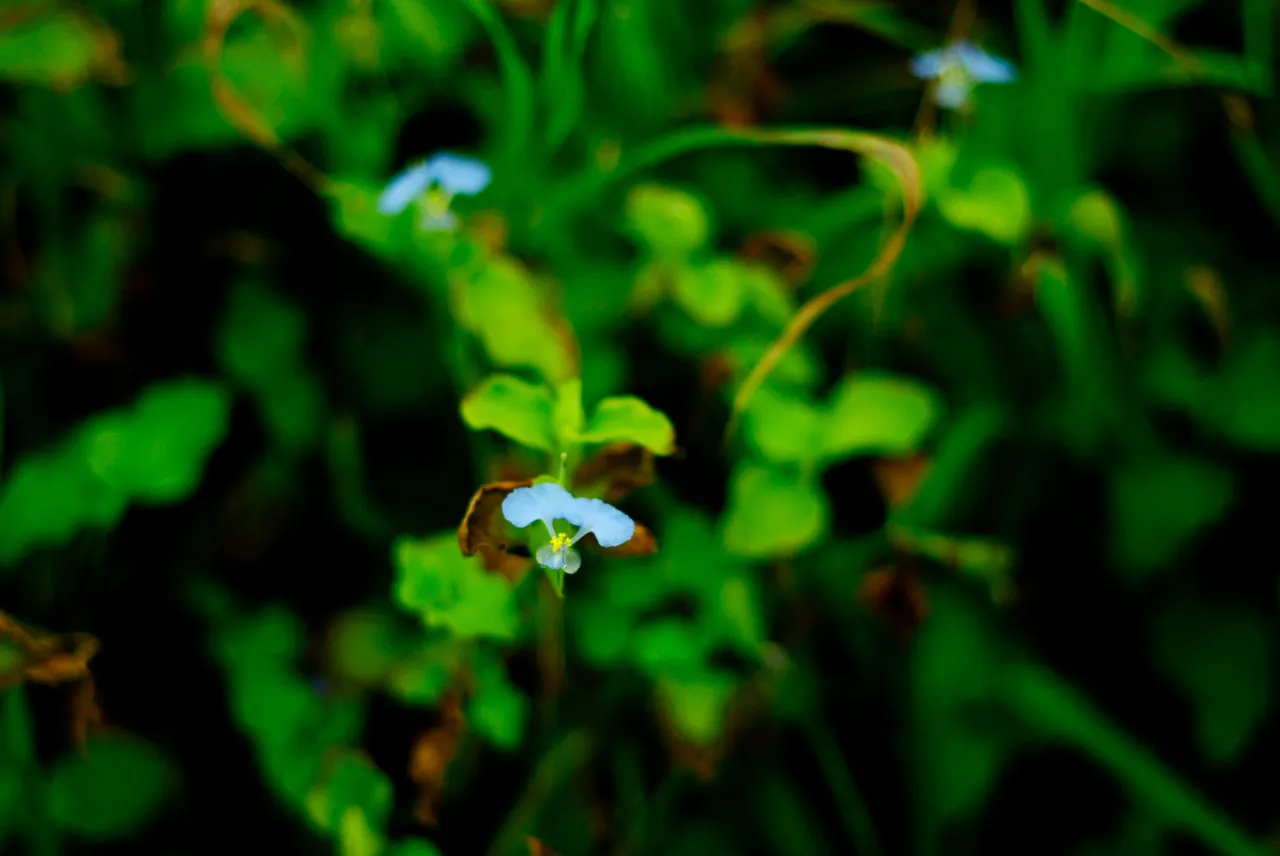
The yellow flower below is the favorite food of the rock hyrax. I have seen them eat whole bushes in less than an hour. In one sense, it is very sad, but in the other, it is their food. Life and nature are about the survival of the fittest. If these flowers cannot grow strong enough and far enough off from the ground, they will be eaten. But these flowers and plants always return, year after year, so there must be some symbiotic relationship.
The fynbos biome is filled with strange-looking plants and flowers. They are not ordinary-looking by any means of the word. Sometimes they really just look alien-like. These unopened flowers below will open soon, but they do not look like roses or even dandelions. They are of a totally different breed.
With the destruction of territory and land, with over-harvesting, and the introduction of various invasive species, a lot of these plants are slowly dying out. Yet, almost non of these plants are currently studied for their medicinal properties. For hundreds of thousands of years, these plants sustained life for many societies. People have been living in these areas for hundreds of thousands of years. And we are actively losing these plants and knowledge of people eating and using them in medicine.
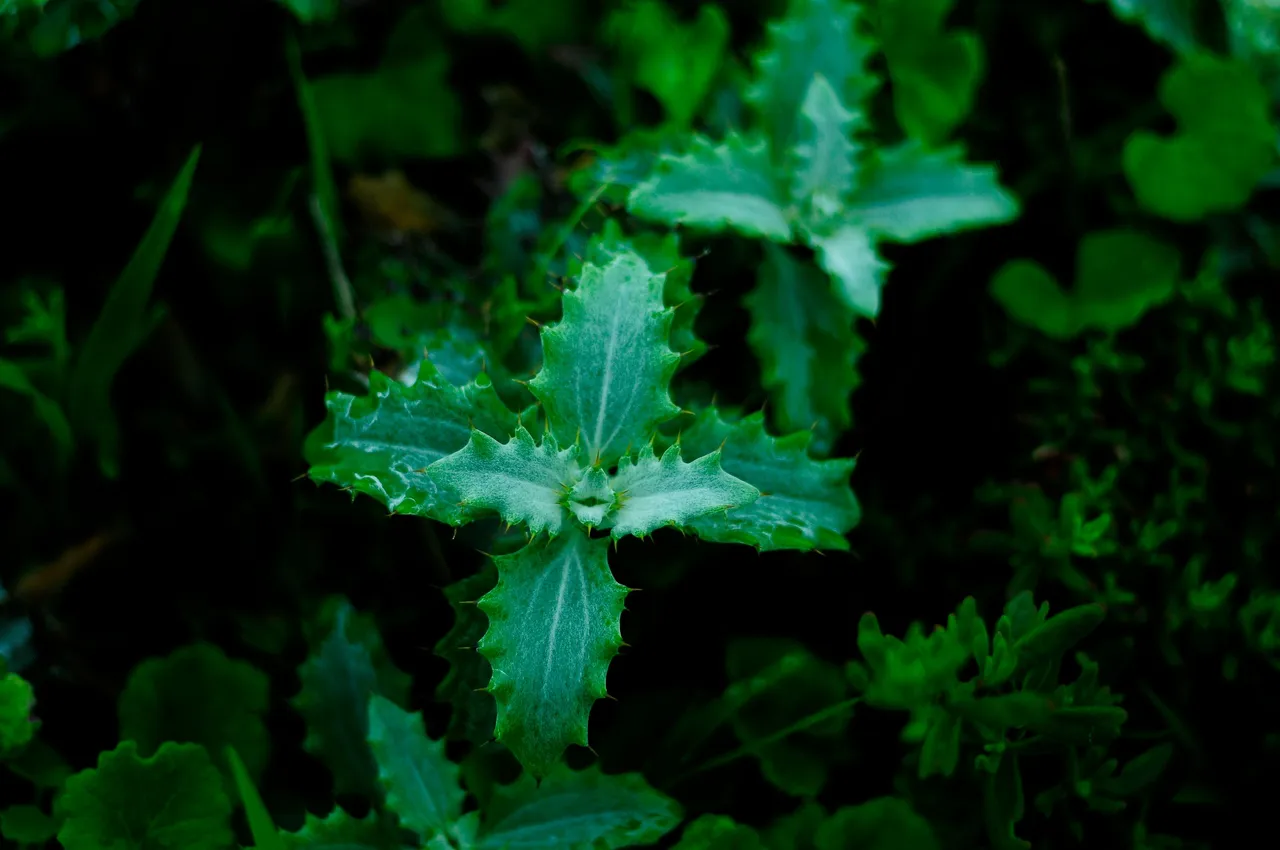
But in any case, I hope you enjoyed these photographs of these beautiful plants. I will always have a soft place for fynbos in my heart, and I will always long to stay between them. I also actively try to grow new plants, I think I have propagated thousands of these plants, planting them in the urban concrete jungle.
Alas, happy photographing, and stay safe.
All of these photographs are my own, taken with my Nikon D300 and Nikkor 50mm. The musings and writings are also my own.