
I recall a time from my younger days when my friends and I would attempt to give each other back massages, albeit in an amateurish fashion. Amid our play, there was a constant reminder among us: "Be careful of my backbone; I don't want a spinal cord injury." Our parents had cautioned us that such an injury might result in the inability to walk, and we had a stark example in a popular Nigerian artist who had experienced this fate.
According to the World Health Organization, between 250,000 to 500,000 people suffer from spinal cord injuries annually. While therapies and treatments have offered partial mobility to many, full recovery from these injuries remains elusive. However, the realm of science provides hope for a brighter future, with stem cell treatments showing promising potential to facilitate complete recovery.
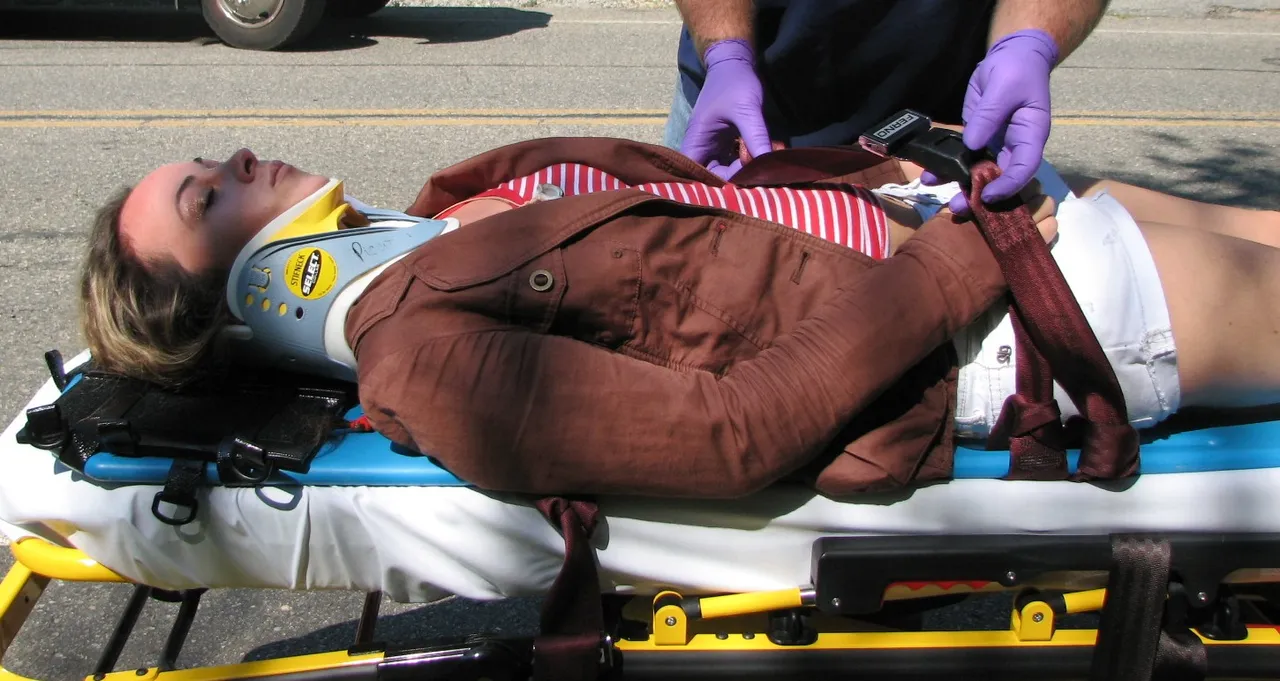
The spinal cord is the cord in the body that helps to transmit information from the brain to the peripheral nerves. Do not mistake the spinal cord for the vertebrae that protects it. The Spinal cord is protected by vertebrae known as the vertebral column and the spinal cord is made up of white and gray matter. The spinal cord is composed of other important things like neurons, immune cells, blood vessels, and other types of cells. Spinal cord injury can occur as a result of damage to one of the vertebrae that protect the spinal cord, causing bone from the vertebrae to tear deep into the spinal cord tissue. Most times, the connection between the brain and the legs is always the one to be affected causing a disruption to signals in the leg.
Immediate damage to the spinal cord is termed a primary injury, but this injury can worsen after the initial occurrence, leading to secondary injuries within days or weeks. These secondary injuries result from the body's immune response to combat the damage. Immune cells, alerted by disrupted blood vessels, rush to the site and initiate inflammation as a defense against potential infection. Unfortunately, this inflammation exacerbates harm to the spinal cord and adjacent cells, including Oligodendrocytes, which begin to perish. This initiates the chronic phase, where the body attempts to repair the damage through scarring. Although scarring is valuable in external injuries, it can be detrimental when it involves internal organs such as the heart and spinal cord.
The scar tissue blocks the formation of connections between neurons and this would cause the body to not receive signals from the neurons. In the hospital, medications are given to suppress the immune system, after which surgery is done to remove the pressure on the spine and reduce the damage to the vertebrae. When the operation is done, physical therapy is required to help the patient understand and manage the situation. Physiotherapy is a very important therapy in cases of spinal cord injuries as it can help allow for signals to get to those places where they didn't in the past (this is dependent on the type of damage that was experienced).
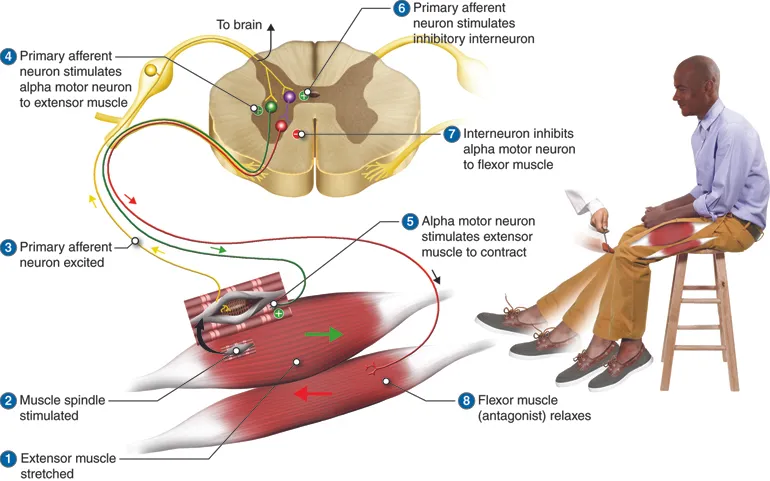
pressbooks.ccconline.org
The ability to feel twitches in muscles that weren't receiving signals is possible due to physiotherapy because of a process known as neuroplasticity. This is when neurons form new connections as a result of activities the patient undergoes. Neuroplasticity is a possibility and when it occurs, people can get back on track and do their live activities normally.
While neuroplasticity is possible, we should find a way to prevent some occurrences after a spinal cord is injured. First, the immune system needs to not overreact causing damage to the spinal cord tissues from inflammation, Oligodendrocytes need to be kept and not damaged by the immune system, scarring needs to be prevented, and new neurons need to be able to connect after an injury to the spinal cord, and This is possible via stem cell therapies.
Stem cells are able to create more stem cells and transform them into specialized cells depending on the stem cells and the location of the stem cells. In this case, Neural Stem cells are the best type of stem cells for repairing the spinal cord, because they can transform into oligodendrocytes, neurons, astrocytes, and other neurological cells. To test this, human neural stem cells were introduced into mice with spinal cord injuries, and scientist noticed that the stem cells survived in the mice, and was able to help with the regeneration of the spinal cord to some degree.
While the test might be good news, there is a concern. The transformation of Neural Stem Cells to different types of neural cells cannot be controlled, thereby not being able to determine which cell should develop and which shouldn't thereby forming cell types that aren't needed. Scientists with this, are testing Oligodendrocyte Precursor cells which would transform into oligodendrocytes which are the cells needed more in the case of spinal cord injuries.
In several trials, Oligodendrocyte Precursor Cells have been used to treat spinal cord injuries, with some participants regaining function in their previously impaired hands, and one patient even regaining the ability to write his name after several months. Additionally, scientists have experimented with artificial gels that mimic the spinal cord to treat paralyzed mice. These gels contain proteins that signal neurons, promoting regeneration while preventing scarring. Importantly, the gel dissolves within days, eliminating the risk of long-term complications.
While the future holds the promise of drugs that are either stem cells themselves or that facilitate neuron signaling and cell generation, we must thoroughly assess their effectiveness, administration methods, and safety before widespread implementation. Nonetheless, advancements in spinal cord injury research offer hope for improved treatments and outcomes in the near future.
Reference
- https://www.who.int
- https://www.newscientist.com
- https://news.northwestern.edu
- https://www.ncbi.nlm.nih.gov
- https://www.ncbi.nlm.nih.gov
- https://www.physio-pedia.com
- https://www.nature.com/articles/nrdp201718
- https://cellandbioscience.biomedcentral.com
- https://www.ncbi.nlm.nih.gov/
- https://www.frontiersin.org/
- https://www.ncbi.nlm.nih.gov
- https://www.ncbi.nlm.nih.gov/books/NBK544267/
- https://www.ncbi.nlm.nih.gov/books/NBK557811/