
The endocrine system has significant functions, it is a network of glands responsible for the production and the release of hormones, mainly responsible for the control of several important body functions, this includes the ability of the body to convert calories into the energy that powers cells and organs.
The endocrine system has a great role to play in the way the heart beats, and in the growth process of tissues and bones, the function as well extends to the ability of baby production. The development of thyroid diseases, diabetes, growth disorders, sexual dysfunction, and other hormone-related diseases, are packed full in the function of the endocrine system.
pressbooks.ccconline.org
With a system that has all these body functions, I am sure that your guess is as good as mine, it will be a big problem if anything goes wrong with that system. However, before we begin to identify the problems that may spring up from the endocrine system, let's talk a bit more about the makeup of the endocrine glands.
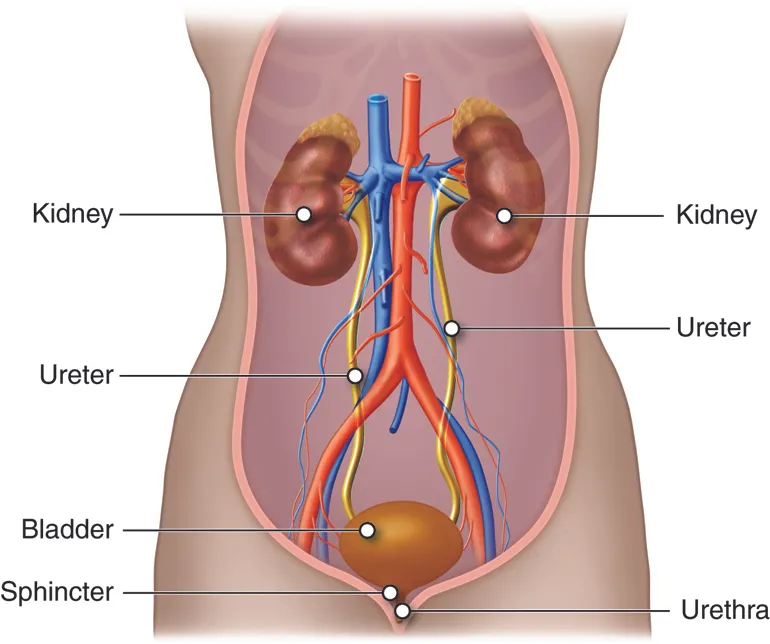
We have the adrenal glands, these glands are comfortably positioned at the top of the kidneys and they are responsible for the release of the hormone cortisol. There is adrenal insufficiency when the adrenal glands fail to produce sufficient amounts of steroid hormones, primarily cortisol, responsible for the regulation of sodium conservation, water retention, and potassium secretion.
Pituitary gland: This gland is found at the base of the brain, often behind the sinuses, it is commonly known as the master gland as it influences other glands, most especially the thyroid. An issue with the pituitary gland will result in problems affecting the growth of bone, a female's menstrual cycle, and even the release of breast milk.
Hypothalamus: It is a part of the lower middle brain, it functions by informing the pituitary gland about the appropriate time to release the hormone.
Islet cells found in the pancreas: These cells control the release of two hormones- glucagon and insulin.
Ovaries: The ovaries are spectacular to the female, it is the female reproductive organ that functions by the release of an egg and production of sex hormones.
Parathyroids are four tiny glands found in the neck, these tiny glands play a strong role in the development of bone.
Testes: This is a male reproductive gland responsible for the production of sex and sperm hormones.
There is also the thymus gland, which is a gland in the upper chest region, it helps in the development of the body's immune system at life's early stage.
Thyroid gland is a butterfly-shaped gland present at the front of the neck responsible for the control of metabolism. refThe occurrence of abnormal cell growth in the thyroid gland could lead to thyroid cancer, the thyroid can also get affected with diseases such as; hypothyroidism and hyperthyroidism, which full further be explained during this post.
Now that we know the location and the functions of endocrine glands in the body, let's get straight into the disorders of endocrine glands and how they can be handled.
Endocrine disorders occur when the production of hormones is either extremely high or extremely low, the moment when the body fails to respond to hormones appropriately as well, there is a case of endocrine disorder. Several factors can cause endocrine disorders asides from hormonal imbalance, they include; genetic factors and tumors. Since these conditions affect hormonal functions, they can create a lot of symptoms in the body like; mood imbalance, sexual function, and mood, it will even affect development and growth.
pressbooks.ccconline.org
Basic Endocrine Disorders.
Hypothyroidism: This happens when the thyroid gland fails to produce sufficient hormones, this is a common thyroid disorder that can cause the slow down of bodily processes.
The symptoms of hypothyroidism include;
- Extreme sensitivity to cold.
- Dry skin.
- Slow speech.
- Confusion.
- Feeling of muscle cramps.
- Slow heartbeat.
- Constant weight gain.
- Hands tingling.
Treating the condition with extra doses of thyroid hormones is one of the suggestive methods of treatment from a doctor to help manage and ease the symptoms.
Hyperthyroidism: This happens when the thyroid gland produces excessive hormones. This condition is caused by inflammation of the thyroid gland or grave's disease. The thyroid hormone in its rightful state is responsible for energy regulation that will be used all through the body, this means that the condition will come with quite a range of symptoms like;
- Inability to sleep.
- Inappropriate temperature regulation.
- Constant bowel movement.
- Nervousness and feeling of irritation.
- Irregular heartbeat.
- Increased appetite.
- A growth in the neck-goiter.
Treating hyperthyroidism depends greatly on its symptoms, cause, and the overall wealth f the affected patients, treating this condition would range from medications, and therapy, to radioiodine and even thyroid surgery.
Diabetes: This condition causes an increase in high glucose levels, which is usually a result of the body's inability to produce sufficient insulin for glucose regulation. The most common type of diabetes is diabetes 1 and 2. The presence of diabetes in the body has these associated symptoms;
- Regularly increased hunger.
- Increased urge to urinate.
- Numbness.
- Blurred vision.
- Extreme tiredness.
- Constant sores.
The most available treatment options for diabetes are medications and other lifestyle factors, those who have diabetes will often require regular insulin medications as this will help with the regulation of glucose levels.
Acromegaly: This happens when the body creates excessive growth hormone, resulting in unusual bone growth, organs, and other organs around the body, leading to situations like;
- Dry and thick skin.
- Developing a deeper voice.
- Having swollen feet and hands.
- Growth in the face.
- Protruding jaw-like changes in the bone.
Advised treatment options include medications, radiation therapy, and surgery, as this will help reduce the tumor-causing occurrence of the condition.
Cushing's syndrome: This syndrome occurs with excessive cortisol hormones in the body. Cortisol is usually the body's perfect response to stress, it helps in the regulation of metabolic processes as well as the maintenance of blood pressure. Excessive cortisol in those who have Cushing's syndrome creates symptoms like;
- Increased weight gain.
- The feeling of tiredness.
- Having blurry vision.
- Steady hair growth.
- Purple stretch marks and getting easy bruises.
- Experienced fatty lump between shoulders.
- Having a weak muscle.
Most often, the treatment for Cushing's syndrome is surgery, which is to remove the tumor causing the problem.
**Polycystic Ovary Syndrome (PCOS): This occurs with an imbalance of reproductive hormones creating problems in the ovaries. Symptoms of PCOS include;
- Excessive hair.
- Dark skin.
- Weight gain or difficulty with weight loss.
- Acne.
- Having skin tags.
- Thinning hair.
To treat PCOS, medical experts often suggest hormonal birth control pills, metformin, and anti-androgen medications.
Diagnosing endocrine disorders may not be so easy as their symptoms often overlap with the symptoms of other conditions. The use of urine tests, genetic tests, hormone tests, blood tests, and imaging tests are what medical experts use for diagnosis. The treatment is highly dependent on its nature, as suggested above.
Summary.
Endocrine disorders are conditions that result from having problems associated with the endocrine systems. The disorder causes the endocrine system to produce either insufficient or excessive hormones. Identifying the condition may not be so easy, as the symptom may be similar to other health conditions. However, with any experienced symptom, medical help should be sought instantly.
References.
https://www.webmd.com/diabetes/endocrine-system-disorders
https://www.medicalnewstoday.com/articles/metabolic-disorders
https://medlineplus.gov/healthtopics.html
https://www.endocrineweb.com/conditions
https://www.healthgrades.com/right-care/endocrinology-and-metabolism/endocrine-disorders
https://medlineplus.gov/endocrinediseases.html
https://www.wikidoc.org/index.php/List_of_endocrine_diseases

Hi, I am Tobi a writer, speaker, relationship blogger, and lover of good music. I love making friends and learning from people. Want to hear me speak on relationships and general life issues, you can find my podcast channel Here and I also have a youtube channel where you can listen and watch any episode for free, do not forget to subscribe and share with friends. I sincerely appreciate every love I get from members of the community and do well to keep them coming.