
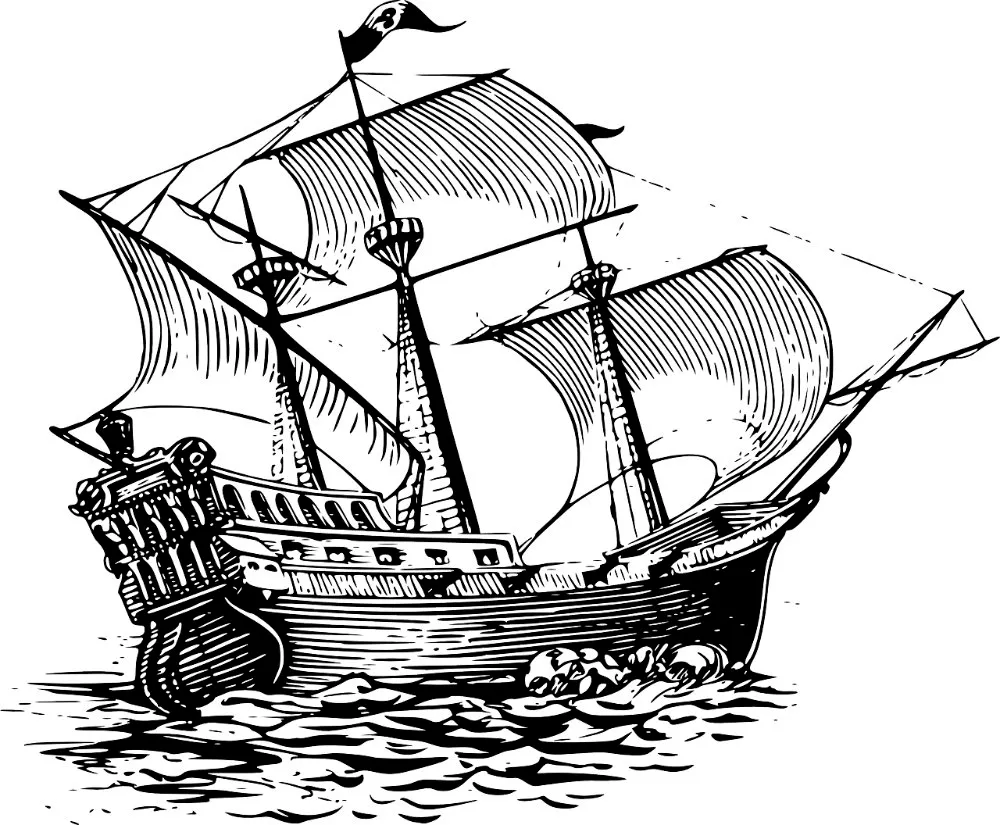
It’s the year 1503.
Vasco da Gama lies off the coast of Oman with his fleet, at a bay of the island Al-Hallaniyah when a severe thunderstorm is approaching. If those in command hadn’t ignored the warnings of the native people, they could have escaped the impending doom. So it came as it had to come. Two of their ships sank into the raging waves of the Indian Ocean. The ships were known as the "San Pedro" and the "Esmaralda" and they were heavily loaded with cannons and trading goods, gold and silver, as well as spices from India.
The Portuguese da Gama had discovered the southern sea route to India and it was his goal for this later journey to break the monopoly of Arabian and Indian traders. Due to the heavy weaponry of his fleet (which constisted of 15 ships), he was able to decide the sea battle against a 100 Indian and Arabian ships in front of Calicut in his favour. This is why there wasn’t any obstacle left to build trading positions and the first European fortress (Fort Manual at Cochin) on the Indian subcontinent. It was the beginning of the Portuguese colonial empire in Asia.
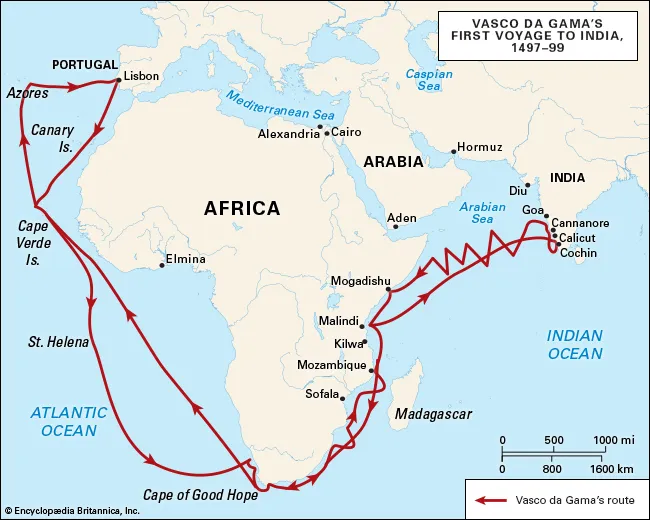
The local powers weren’t able to stop the advancing European colonialists. But it was the ocean which noone could defeat. Those could call themselves lucky, who survived the sinking of the ships and thus the series of events in 1503 are passed im detail by reports of the witnesses. It was only in 1998 that treasure hunters managed to find one of the wrecks. The British firm Blue Water Recoveries announced the discovery of the "Esmeralda" exactly 500 years after the discovery of the sea route to India. The "San Pedro" is still missing until today.
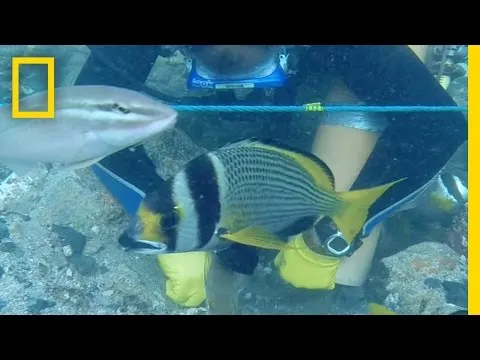
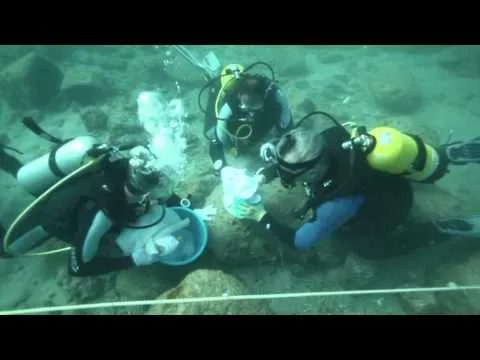
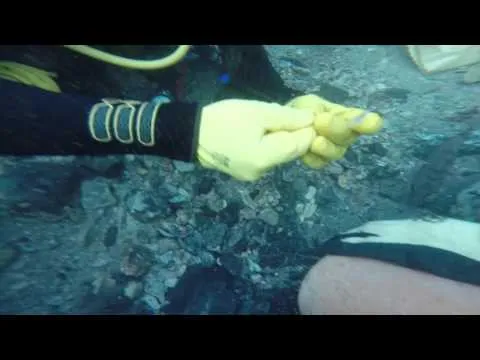
As a consequence the Ministry of Heritage and Culture (MHC) of Oman ordered a full-scale archeaological survey and excavation. The work began only in 2013 after years of preparation and was conducted strictly keeping the Convention for the Protection of Underwater Cultural Heritage. During the two years of the exploration there were retrieved more than 2800 artefacts. Among them there were extraordinary items, such as this ship bell, known as the oldest in the world.
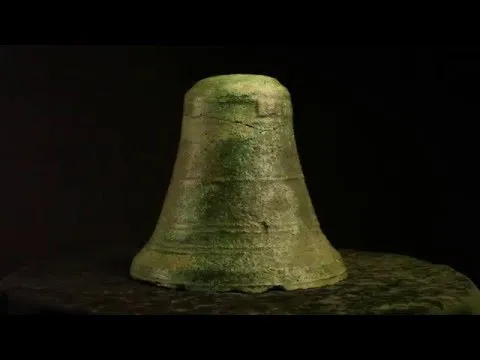
But the biggest sensation was something else. Previously to the journey to India King Manuel I of Portugal had initiated to mint a silver coin to facilitate the trade in India. It was the so-called Indio which is one of the rarest coins in the world. Until the discovery of the shipwreck of the "Esmeralda" there was only one coin known for its existence!
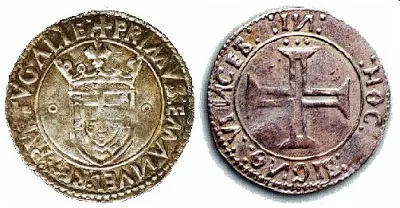

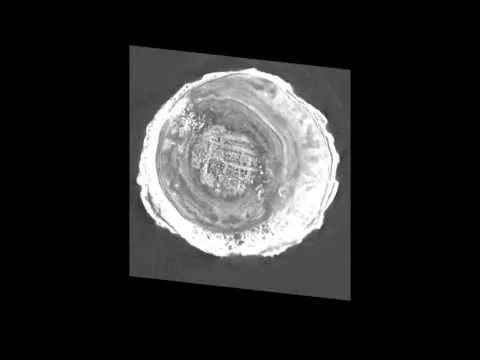
Of course there was also gold in the shape of Portuguese Cruzados, a kind of Real, which means royal. Who wants to know more about the trove of the "Esmeralda" can satisfy his curiosity here: official website. By the way, even till 1650 more than 200 European ships sank into the floods on their way to India. There is still a lot out there to discover!
This post is dedicated to the community of ...